
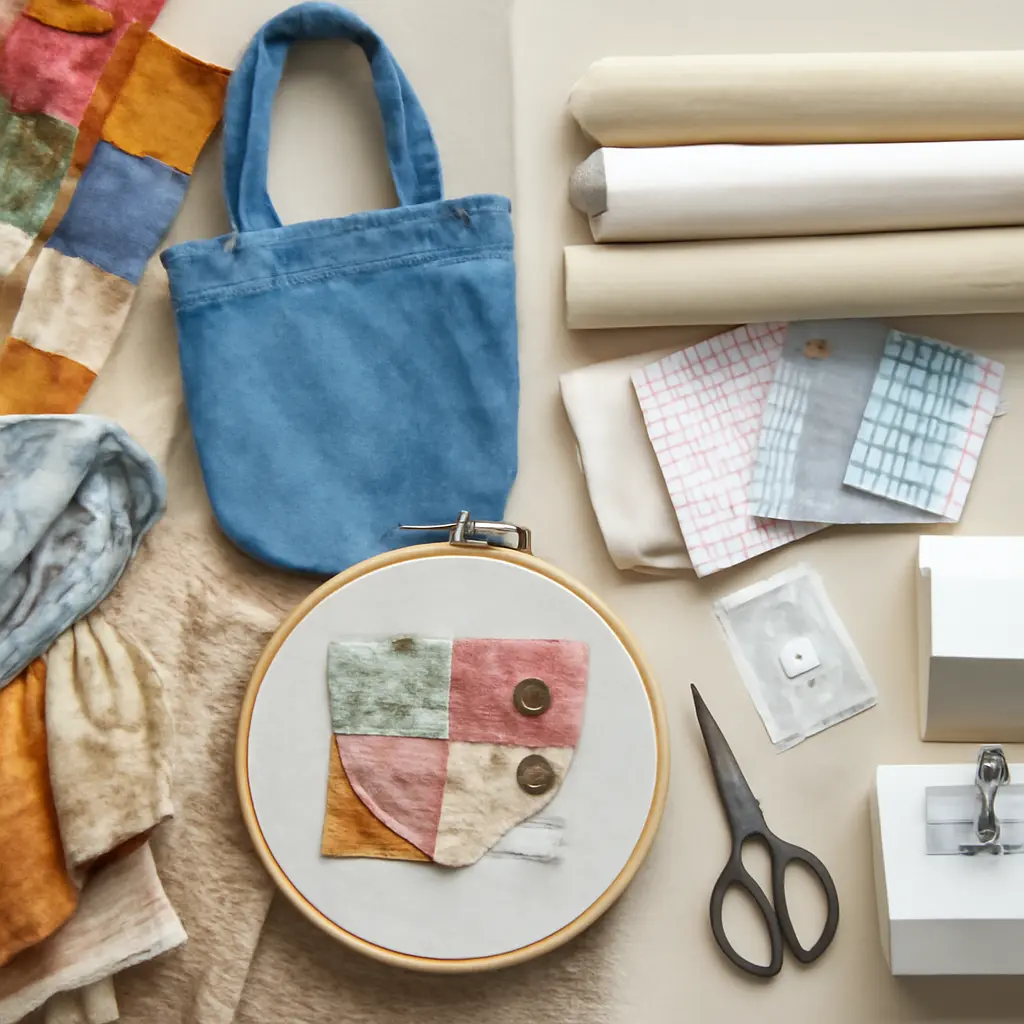
Why material choice changes the look and life of home crafts
Recycled fabric and store-bought materials both have loyal fans in the DIY world, but choosing between them affects cost, durability, appearance, and even how you evaluate long-term value. When planning a project, makers often use the same mindset behind a Casino overview rating — weighing trust, quality, and expected lifespan — to decide which materials will make a project truly shine.
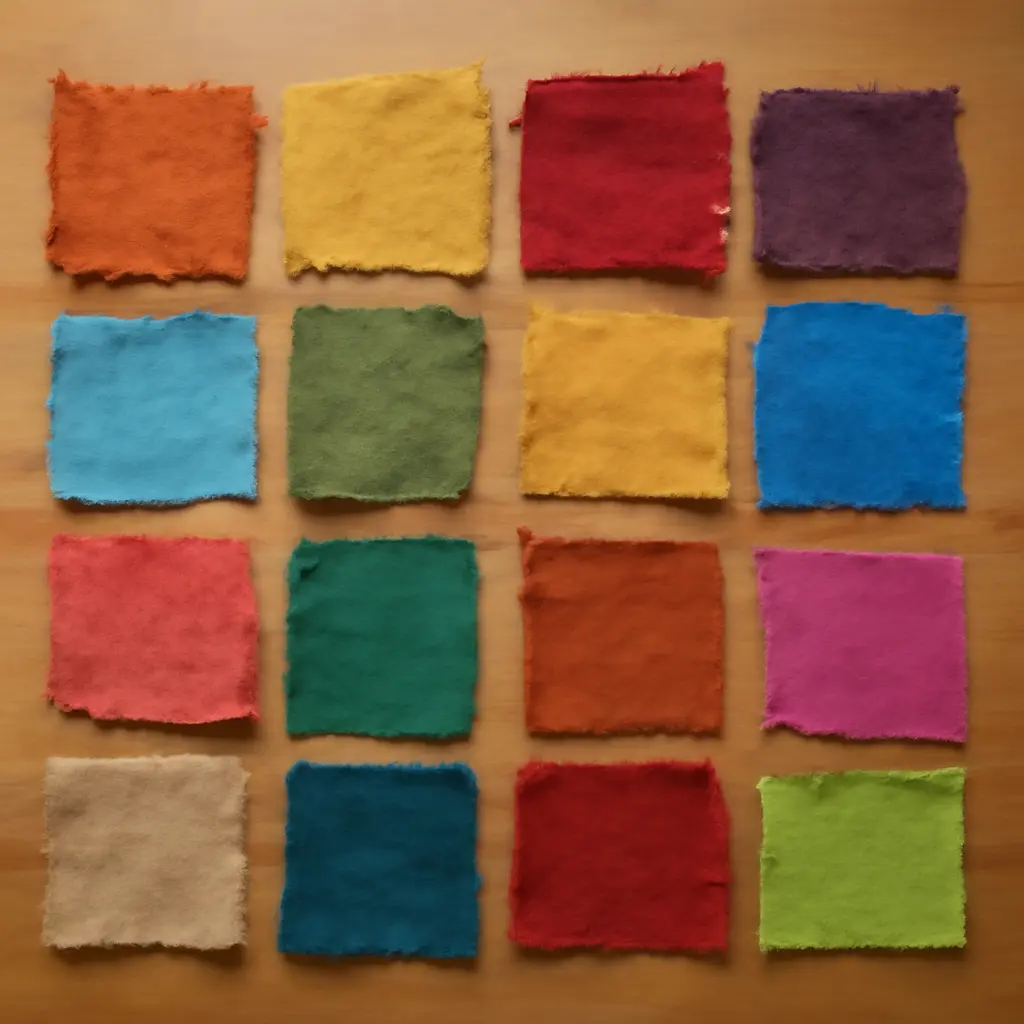
In this article from ScrappinOutLoud you'll find practical comparisons, step-by-step ideas, and cost-savvy tips so you can decide whether budget-friendly upcycling or ready-made supplies are better for your next home craft. If you want quick tips on converting thrift finds into beautiful decor, check out our Handmade secrets for more inspiration.
Quick contrast: recycled vs store-bought at a glance
A quick lens like a Casino overview rating helps here: imagine scoring materials on cost, durability, and visual appeal. Recycled fabric often scores high on sustainability and uniqueness, while store-bought materials usually score higher on consistency and predictable durability.
- Recycled fabric: low cost, high character, variable durability.
- Store-bought materials: predictable finish, warranty-like consistency, sometimes higher price.
- Sustainability: recycled wins for eco-friendly credentials.
Cost comparison: stretch your budget further
If you track value the way a reviewer tracks a Casino overview rating, cost per finished item matters. Recycled fabric typically lowers raw material cost by up to 60–90% when sourced from thrift stores or textile scraps, but factor in time for preparation and repair. Store-bought materials have an upfront cost but often reduce labor time because they're pre-cut or pre-finished.
| Feature | Recycled Fabric | Store-Bought Material |
|---|---|---|
| Average cost per yard | Very low (donations/thrift) | Moderate to high (retail pricing) |
| Durability | Variable — depends on source and condition | Consistent — manufacturer specs |
| Sustainability | High — waste reduction | Depends — new production footprints |
| Best uses | Accent items, patchwork, art pieces | High-use items like upholstery, curtains |
| Notes | Can be repaired and refreshed; consider pre-wash | Often comes with care instructions and guaranteed weave |
Durability deep dive: testing and expectations
Durability is where many makers think like a reviewer using a Casino overview rating system: run tests, weigh longevity, then score. For fabric, try a simple abrasion test or check thread count and weave integrity. Store-bought materials often list technical specs (weight, GSM, tensile strength) — these are helpful benchmarks. With recycled finds, look for weak spots, discolored patches, and previous repairs.
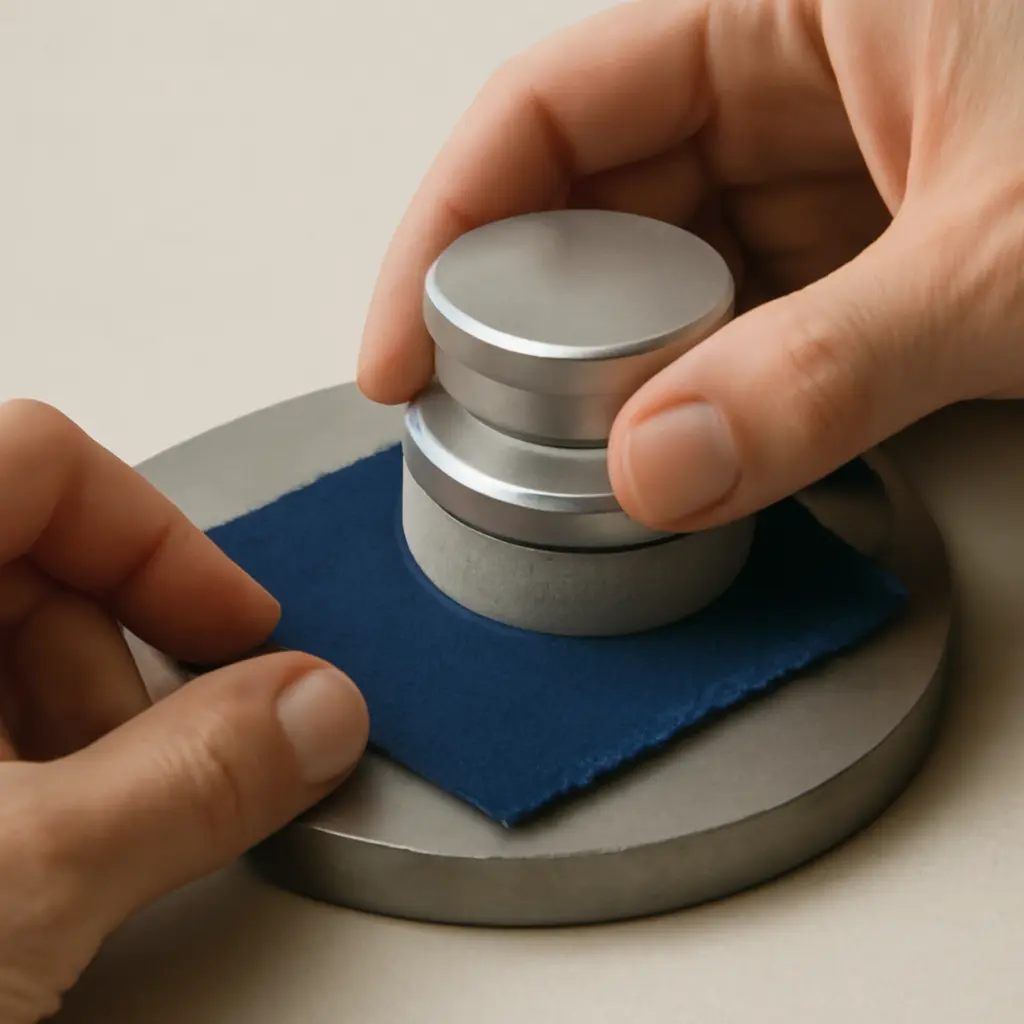
Note: always pre-wash recycled fabric to reduce shrinkage and remove residues. This small step can dramatically improve the final durability of a craft item.
Practical tips for using recycled fabric
When you choose recycled fabric, treat your selection process like an analyst preparing a Casino overview rating — gather facts and compare. Here are essential tips:
- Inspect seams and stains: avoid large degraded areas.
- Pre-wash and de-lint: prevents future surprises.
- Match fiber types: mixing fibers affects wash care.
- Stabilize lightweight fabrics: use interfacing for upholstery projects.
- Patch and reinforce: make repairs part of the creative process.
These steps help recycled fabric perform closer to store-bought expectations. Treating material choice like a Casino overview rating checklist ensures you make smarter swaps.
Creative projects that shine with recycled fabric
Some crafts are particularly well-suited to recycled materials because they value texture and story over uniformity. Try these ideas:
- Patchwork throw pillows — low risk, high style.
- Fabric-wrapped vases — great for mismatched scraps.
- Rag rugs — durable when woven tightly.
- Upcycled curtains — use larger panels from thrifted linens.
If you want step-by-step budget projects, our Upcycling projects guide shows 8 easy ideas with materials lists and time estimates.
Step-by-step: a quick recycled fabric cushion cover
This short project highlights cost savings and creative control — and shows how a maker's evaluation is like a careful Casino overview rating.
- Gather fabric scraps totaling ~1 yard for a 16"x16" cushion.
- Pre-wash and press the scraps, cutting two matching squares.
- Sew right sides together with a 1/2" seam, leaving an opening.
- Turn, stuff with an insert, and blind-stitch the opening closed.
- Topstitch or add trims for a finished look.
Pro tip: Use interfacing on the wrong side to add structure. Carefully documenting materials and expected lifespan is the DIY equivalent of assigning a trusted Casino overview rating to your finished piece.
When store-bought materials are worth the price
There are clear situations where buying new supplies is the best choice. For high-traffic upholstery, fire-retardant curtains, or projects that require matching yardage and exact color, store-bought materials are often more reliable. Their predictability is the equivalent of a high Casino overview rating for consistency and warranty-backed quality.
Warning: Don’t assume every new fabric is superior — always check fiber content and care labels. A visually perfect fabric can still perform poorly in the long run if fiber choice and finish aren’t suited to the use.
Environmental impact and value over time
Sustainability is a core advantage of recycled fabric: diverting textiles from landfills and reducing demand for new production. If you score environmental impact as part of your Casino overview rating, recycled fabric often earns top marks. But also consider life-cycle value: a durable store-bought textile that lasts decades may have better overall impact than a short-lived upcycled item that needs frequent replacement.
Final decision framework: a mini checklist
Use this short checklist when choosing materials — treat it like the final round of a Casino overview rating:
- Intended use: decorative or functional?
- Expected wear: daily use or occasional display?
- Budget: material cost vs. time investment?
- Sustainability preference: prioritize recycled options?
- Skill level: ready-to-use or willing to prep?
Conclusion: which crafts truly shine brighter?
Both approaches have winners. If your priority is uniqueness and reducing waste, recycled fabric often makes your crafts stand out with texture and story. If you need consistency, ease, and engineered performance, store-bought materials deliver. Thinking like you would for a Casino overview rating — weighing cost, trust, durability, and value — helps you pick the right material for each project.
Whichever route you choose, balance creativity with pragmatic checks: test durability, pre-treat materials, and keep a tiny notebook of what worked. For more detailed budget-friendly projects and hacks that make upcycling feel professional, see our deeper guides on transforming thrifted finds and simple upcycles at ScrappinOutLoud.

To leave a comment, please sign up or log in
Log in / Sign up