
How to Use Casino Bonusy Ideas for Home Craft Decor Projects
Turn casino bonusy inspiration into stunning home craft decor! Discover creative ways to repurpose casino themes into unique DIY projects that transform any living space.
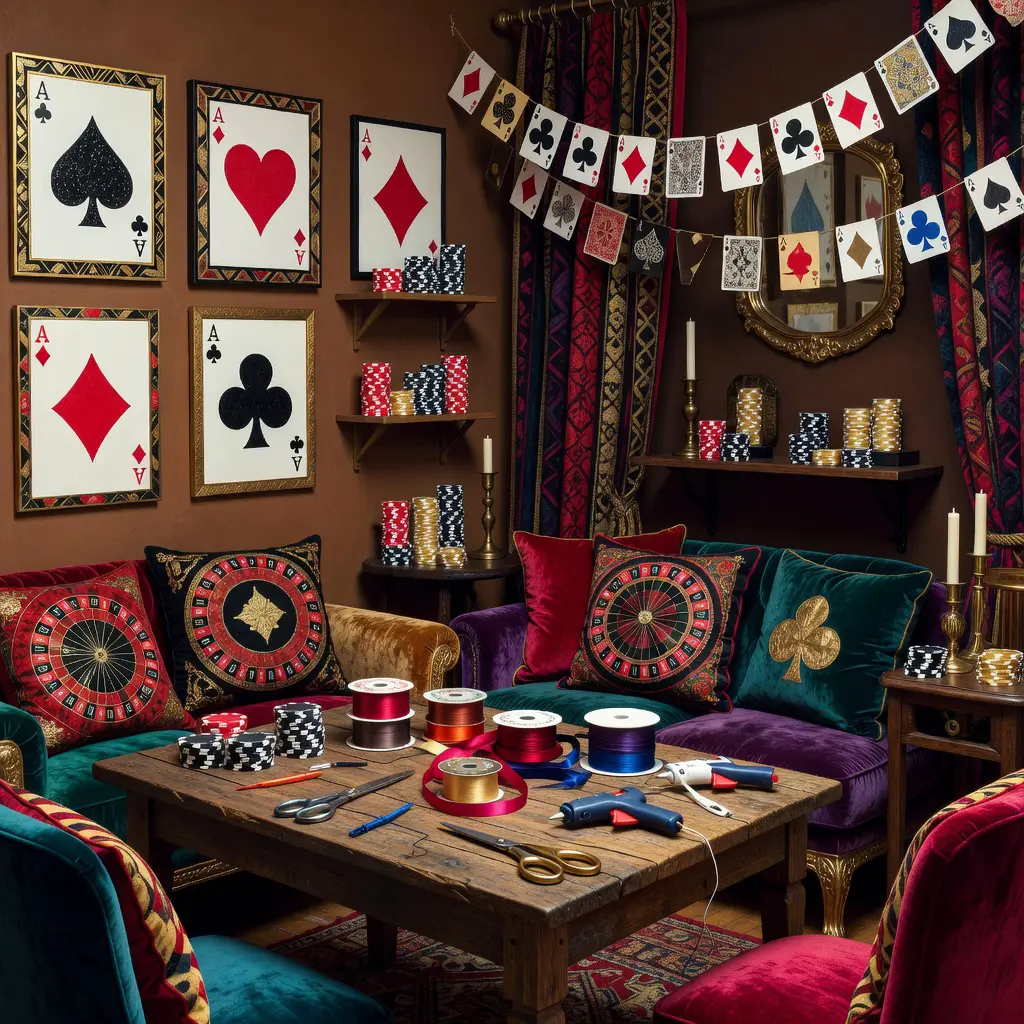
Turn casino bonusy inspiration into stunning home craft decor! Discover creative ways to repurpose casino themes into unique DIY projects that transform any living space.
Unlock fresh craft inspiration with 7 creative methods featuring legální casino v česku themes—explore unique ideas that spark your imagination and fuel your next project.
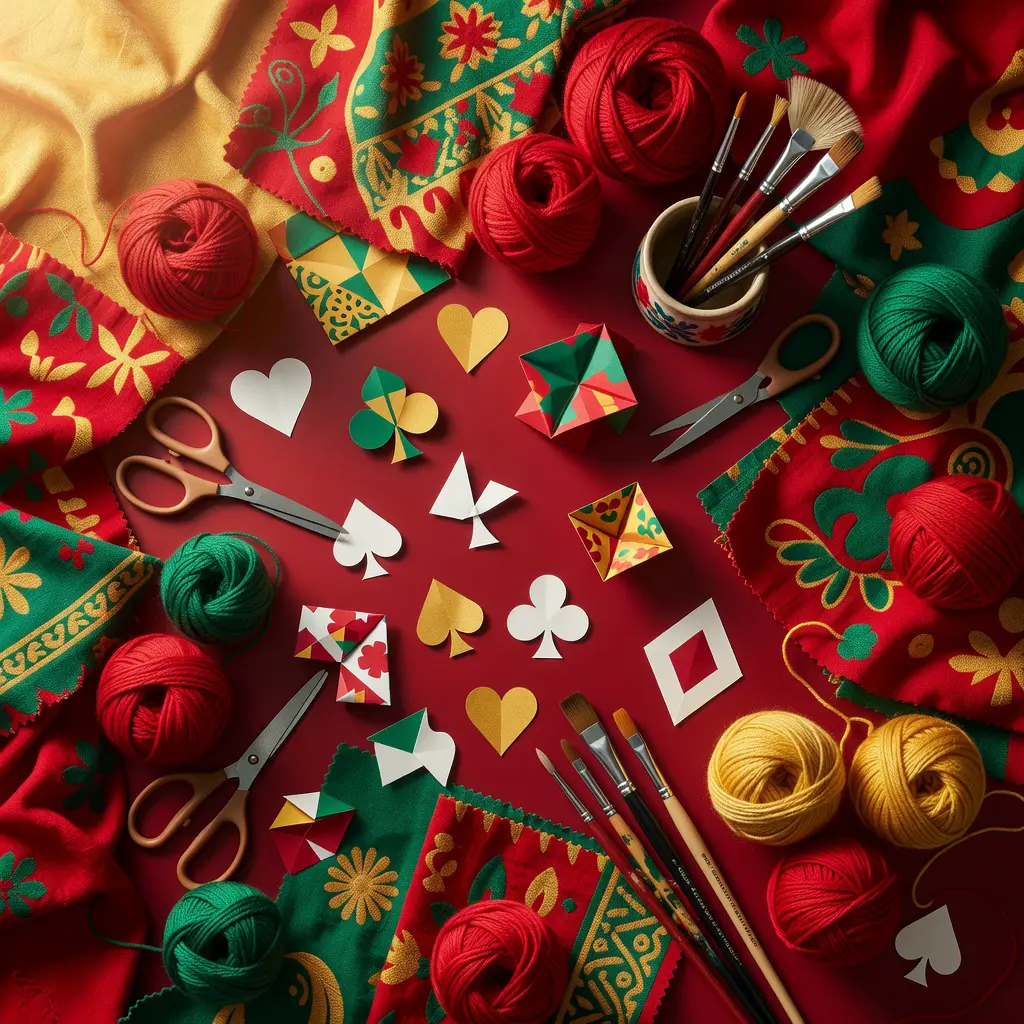
Transform your space with 7 creative bitcoin kasino-inspired crafts that bring bold, luxurious décor into your home. No design experience needed—discover pro tips inside.
Stop wasting materials on failed DIY projects. This step-by-step home crafts checklist gives beginners the tools, tips, and confidence to create like a pro. ScrappinOutLoud
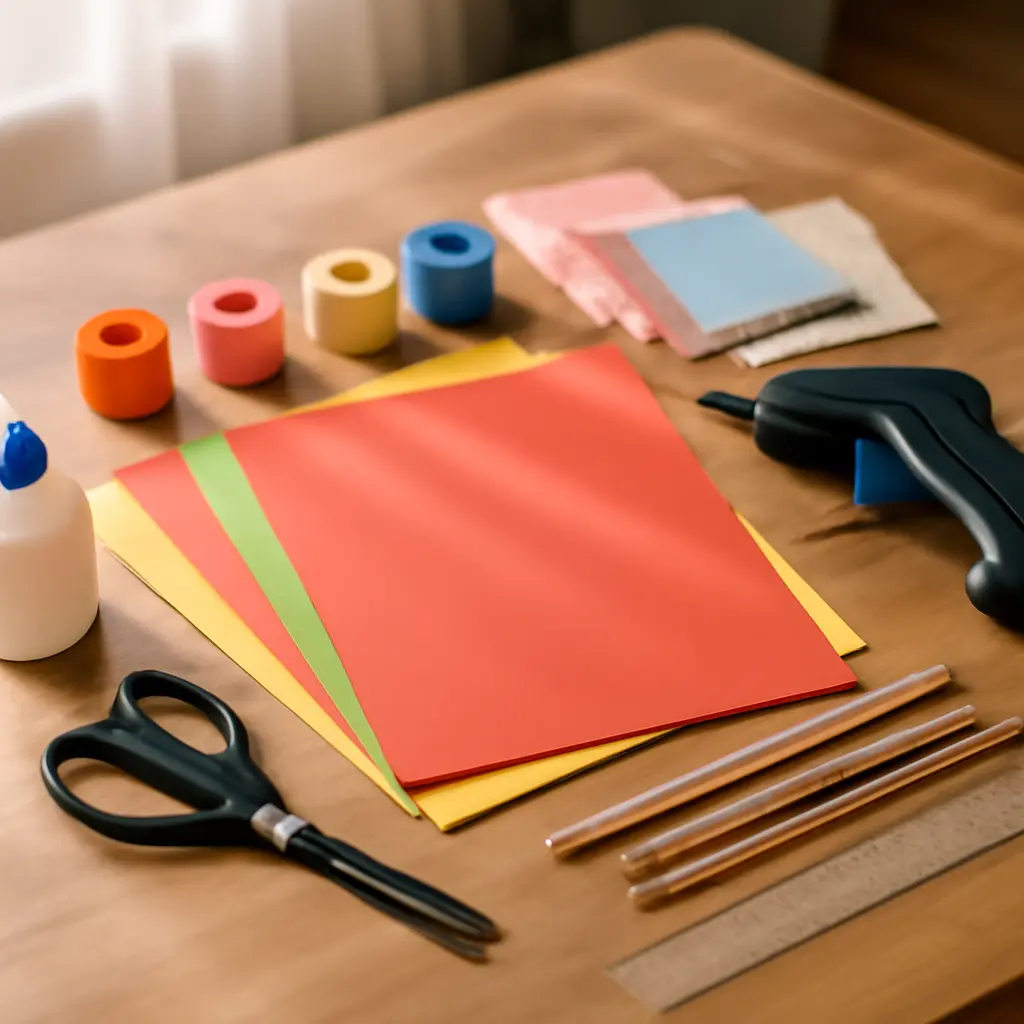
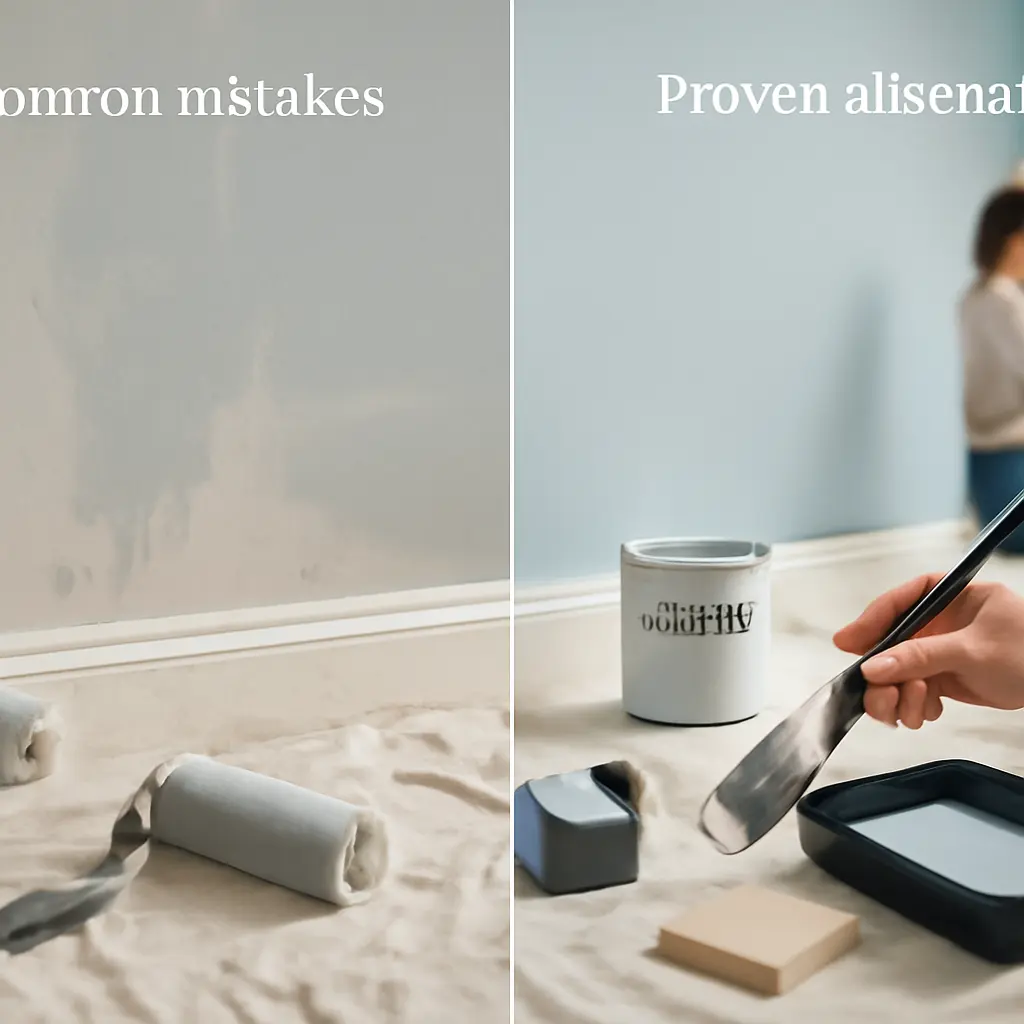
Discover why common DIY paint techniques don't work, the mistakes to avoid, and proven alternatives that deliver professional results without hiring a pro. ScrappinOutLoud
Explore sustainable handmade home crafts trends that will dominate 2026—eco materials, DIY ideas and decor styles to refresh your space with conscious flair. ScrappinOutLoud
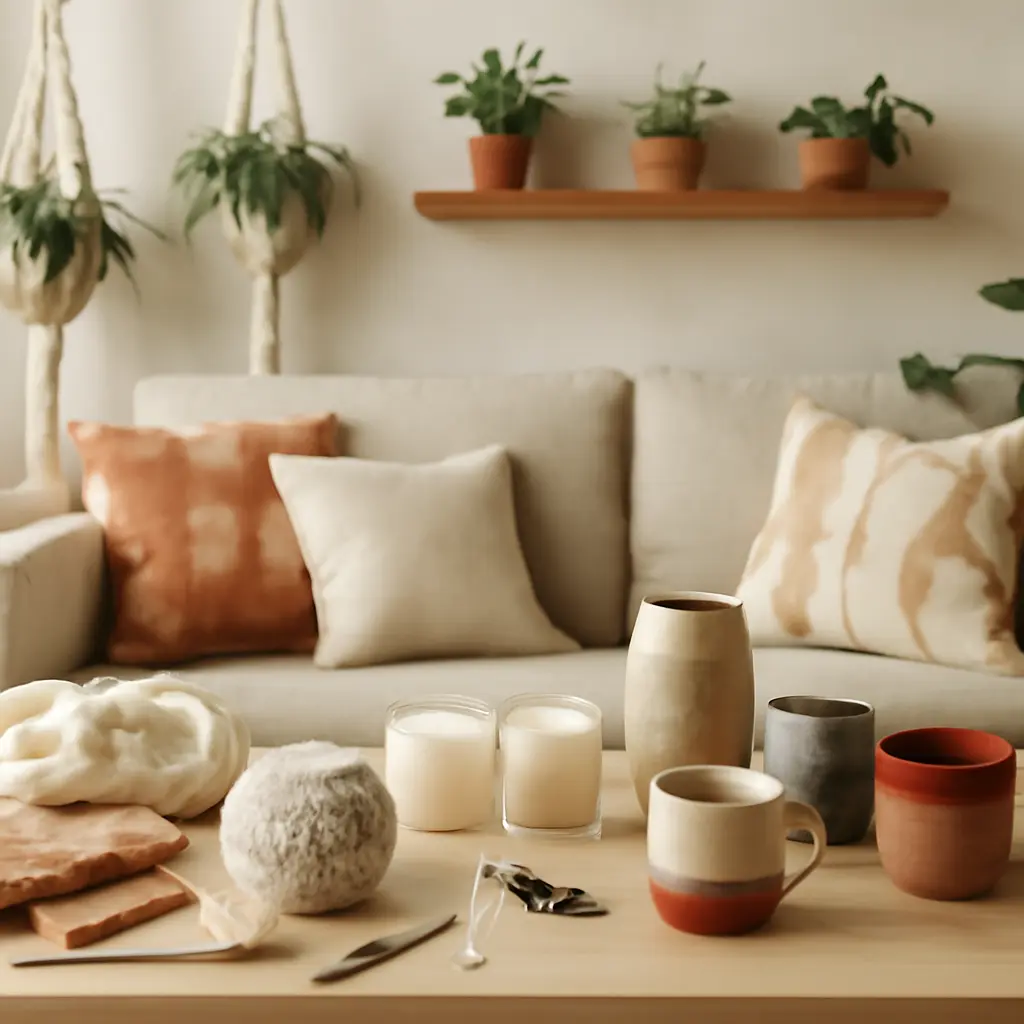
Compare recycled fabric and store-bought materials to see which home crafts shine brighter—tips about cost, durability and creative DIY ideas. ScrappinOutLoud
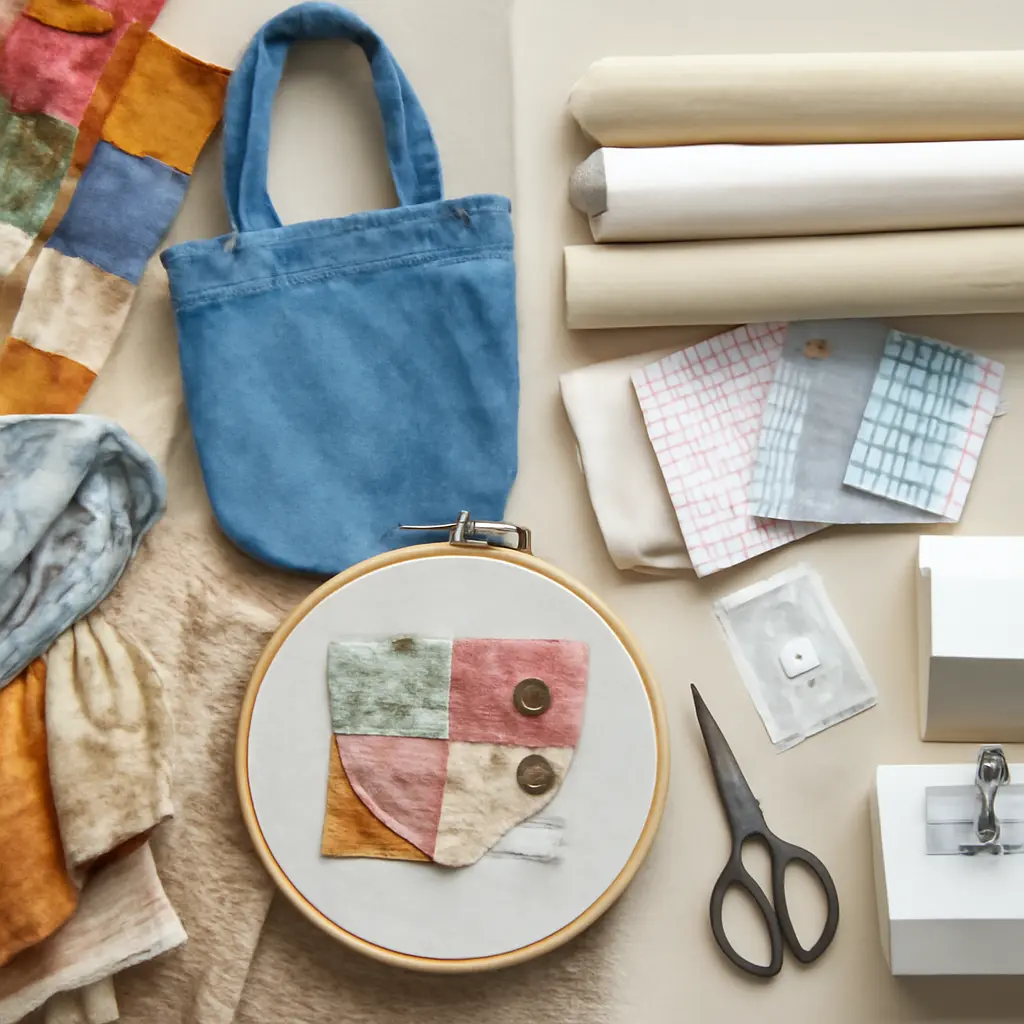
Learn how to create stunning recycled fabric home crafts step-by-step with easy techniques, budget-friendly ideas and DIY projects to refresh decor. ScrappinOutLoud
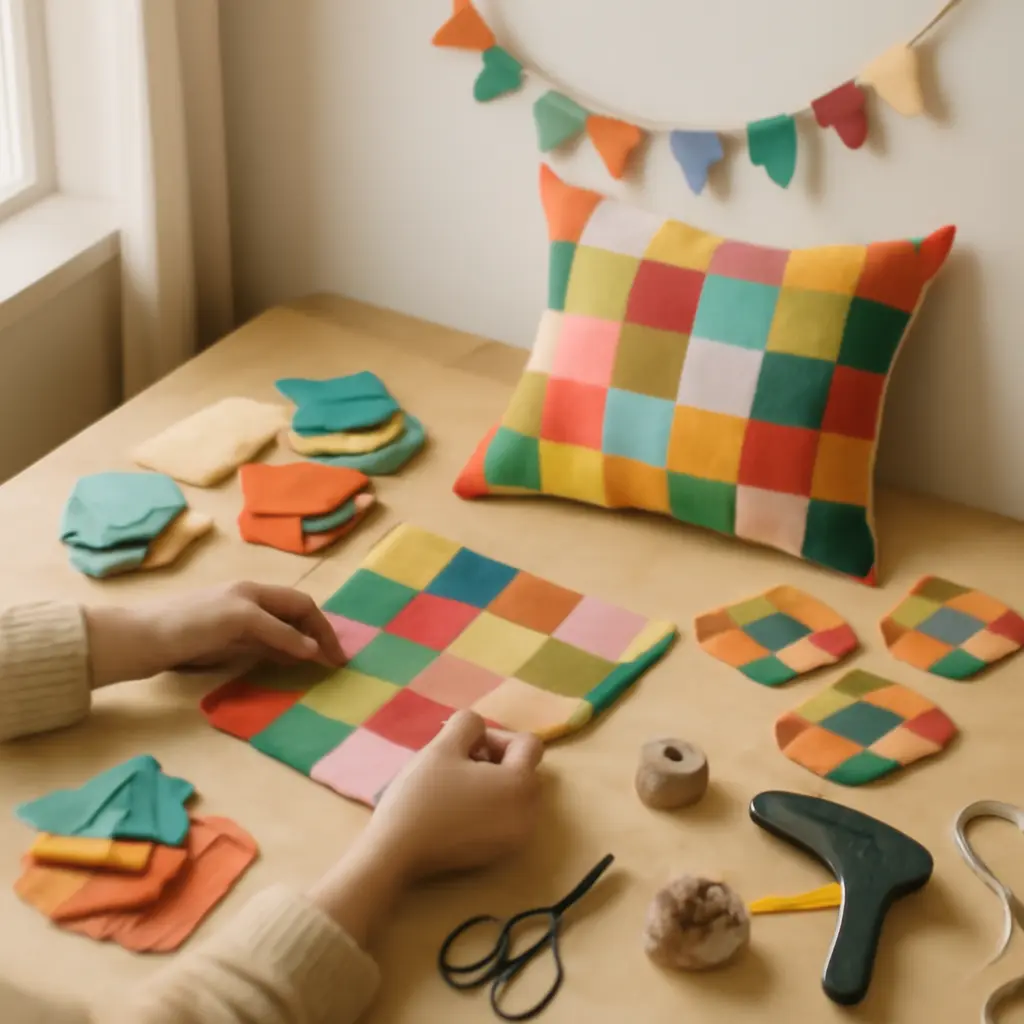
Insider secrets to Handmade Home Crafts and Upcycling: experts won't tell you these simple hacks to transform thrift finds into chic, budget-friendly decor. ScrappinOutLoud
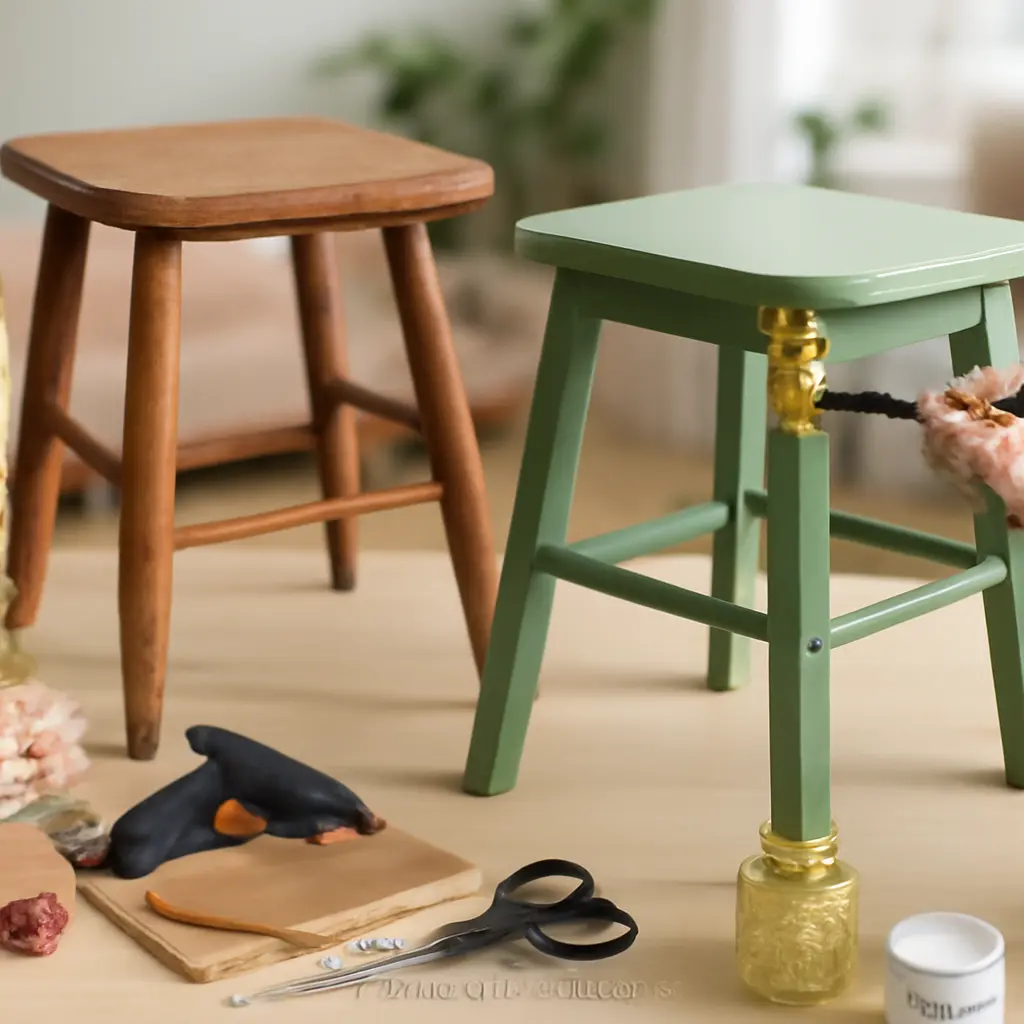
Complete guide to handmade home crafts for cozy eco living in 2026—discover easy DIY projects, sustainable materials, and tips to transform your space. ScrappinOutLoud

Discover 9 little-known craft hacks to upgrade your home projects today — simple, budget-friendly tips to save time, improve results, and spark creativity. ScrappinOutLoud
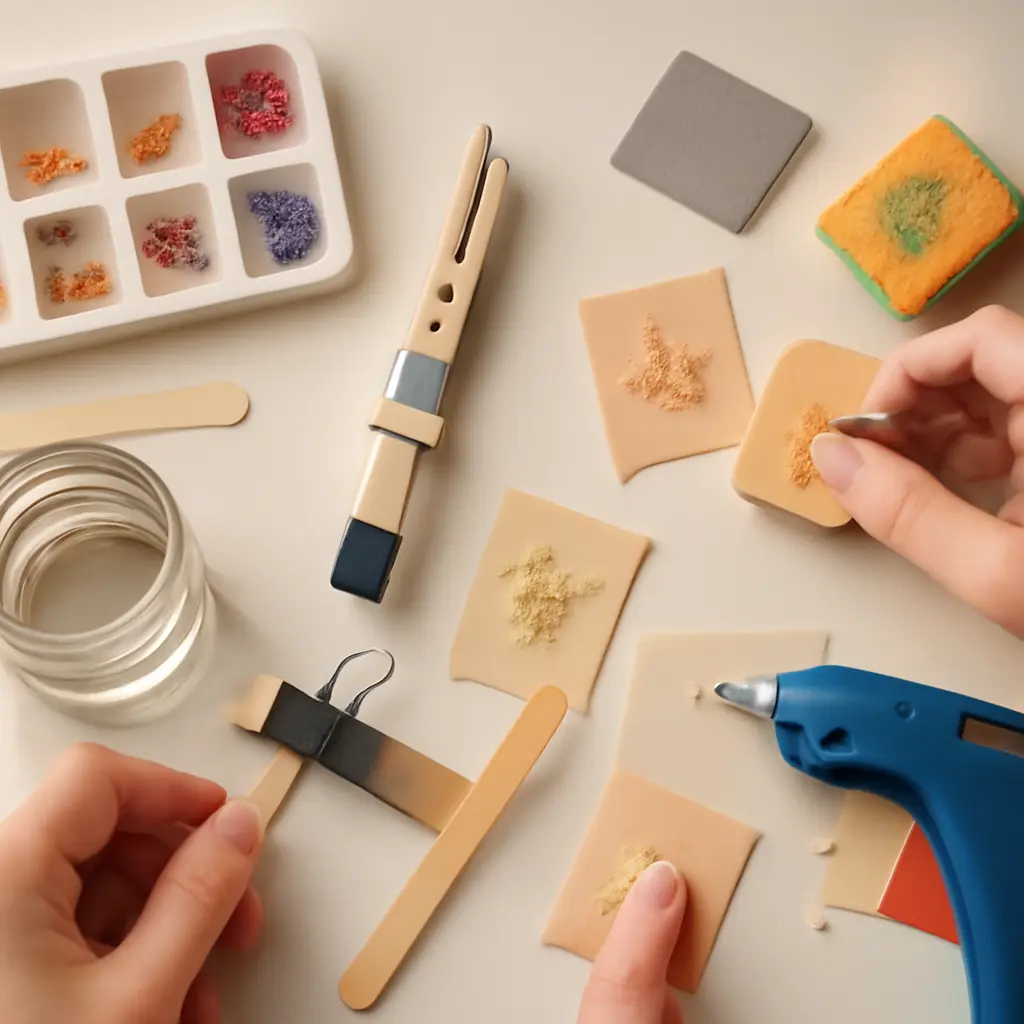
Discover 8 easy upcycling projects to transform your home on a budget—step-by-step ideas, materials lists, and budget tips to refresh rooms with thrifted finds. ScrappinOutLoud
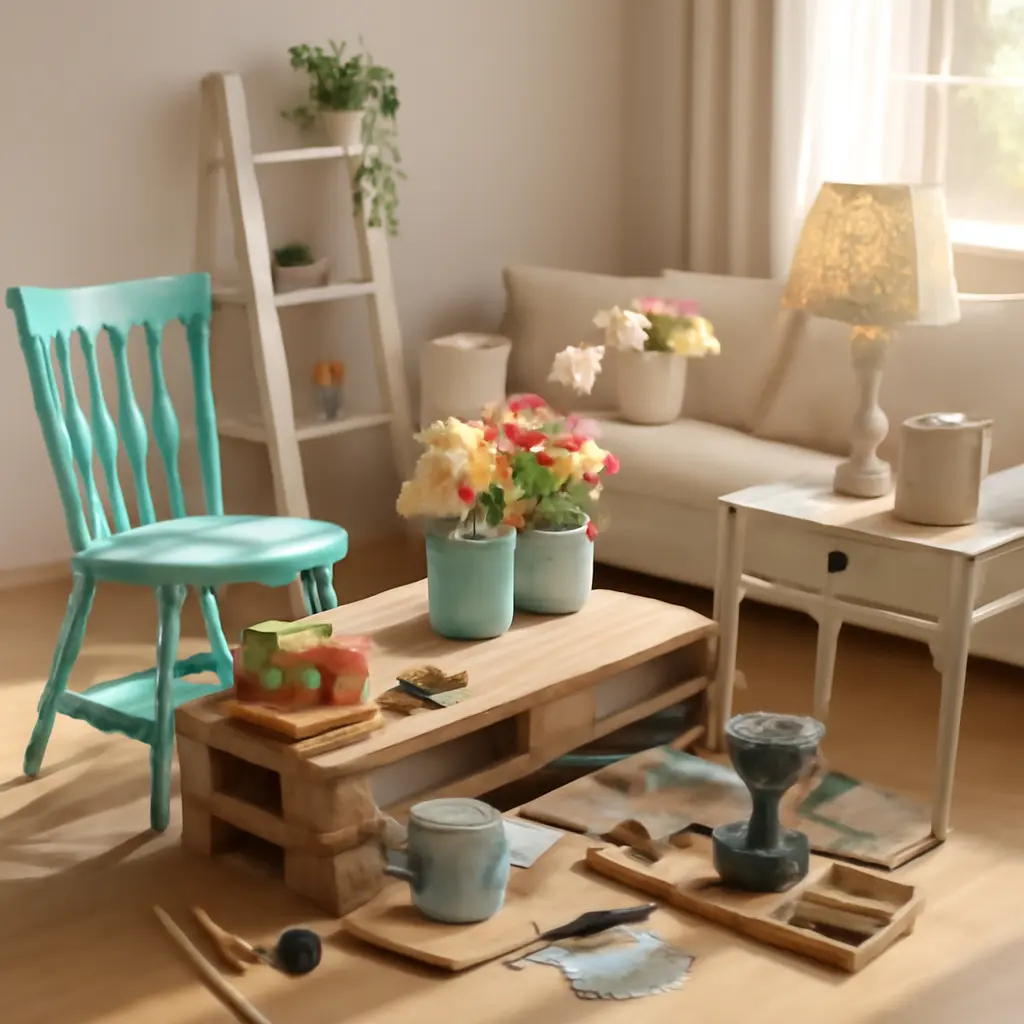
Refresh your space fast: 10 simple upcycled home crafts that look store-bought—easy, budget-friendly DIYs you can finish in minutes to elevate decor. ScrappinOutLoud
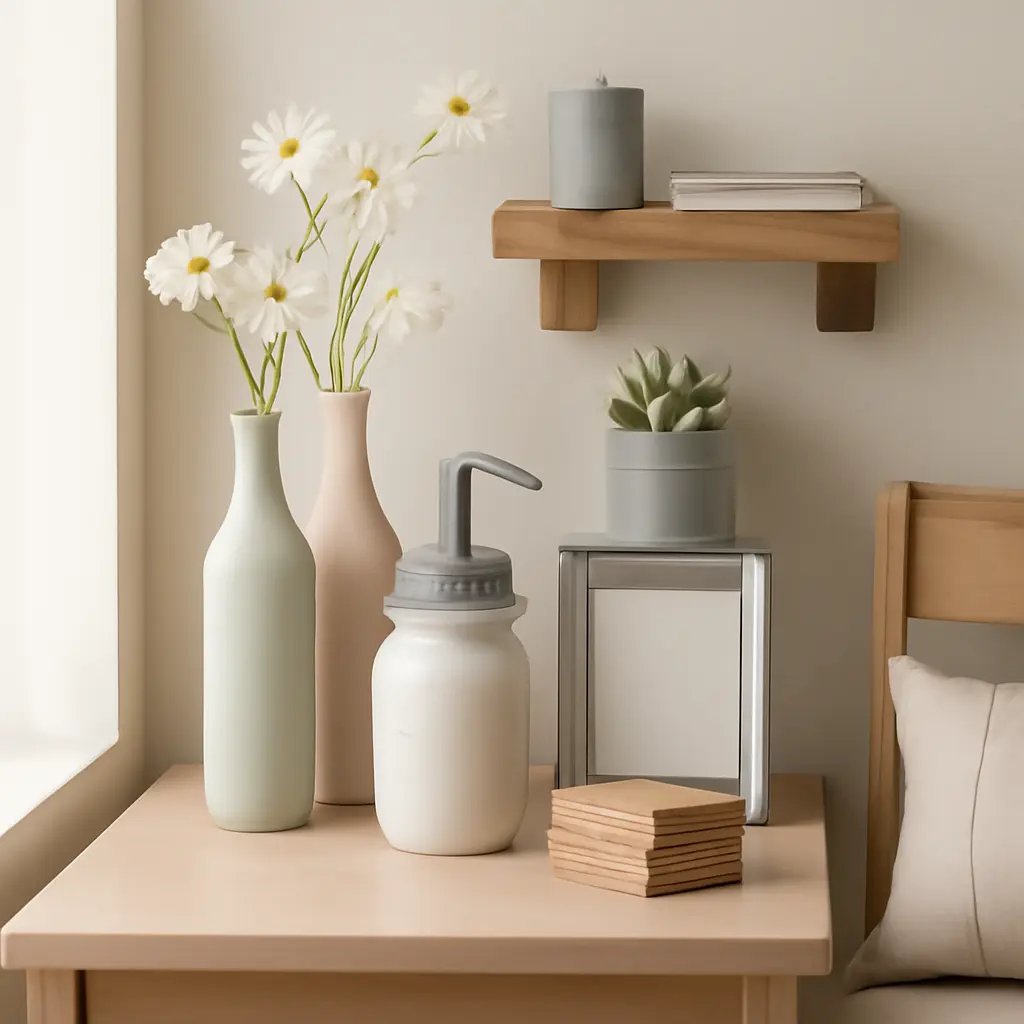
Welcome to ScrappinOutLoud — where everyday scraps become beautiful, budget-friendly creations. Whether you're rescuing a ribbon from the drawer, turning old jars into lamps, or planning a weekend scrapbooking party, you’re in the right place. We believe crafting should be joyful, practical, and accessible to everyone, from beginners to seasoned makers.
At ScrappinOutLoud our mission is simple: inspire confidence through doable, sustainable home crafts. We create clear, step-by-step tutorials that help you refresh your home, preserve memories, and enjoy creative time with family — without needing expensive tools or complicated techniques. We want crafting to feel like a solution, not a stressor: a way to express yourself, reduce waste, and make meaningful things that last.
ScrappinOutLoud is a practical, creative resource for home crafters who want instant inspiration and reliable guidance. Expect hands-on tutorials, printable templates, and helpful tips that make projects easier to start and finish.
There are plenty of craft blogs, but we’re committed to being the most trustworthy and usable resource for home-based creativity. Here’s how we stand out:
Thanks for stopping by. If you’re ready to start a project, explore our tutorials, download a template, or join the conversation—take a look around. Want project ideas in your inbox? Sign up for our newsletter or follow us on social for weekly inspiration and exclusive printables. Let’s make something memorable together.
Comments
Tried the poker-chip coaster idea—epoxy and felt backing made them feel surprisingly luxe, and a quick spray sealer stopped the paint from rubbing off after a few drinks on the coffee table.
Tried the poker chip coasters idea — bonding four chips with epoxy and a felt backing worked great on my coffee table; tip: sand the chip edges first so the epoxy sits flush.
I never thought of using casino lighting and velvet textures for home crafts—trying that amber and indigo combo might totally change the vibe of my living room projects.
I never thought of using poker chips as coasters before, but seeing how they add texture and color makes me want to try it for my coffee table.
I never thought to use casino color palettes for home crafts—trying the deep emerald velvet idea on a throw pillow this weekend.
I never realized how much a casino’s lighting and color scheme could translate into home crafts—definitely going to experiment with those deep emerald and gold accents in my next project.
I like the idea of building a physical swatch library from the casino palette, but how do you keep the gold accents from looking tacky on small DIY pieces? Any specific paint brands or finishes that work best?
For the neon Bitcoin wall light, did you have any tips on making the rope curves look clean without kinks, especially around the top of the ₿? I always end up with weird bends when I try LED neon.
For the poker chip coasters, does regular epoxy really hold up to hot mugs, or would you recommend sealing the whole coaster with polyurethane too?
For the gold-leaf playing card wall art, do you really need a gloss varnish at the end, or would a matte sealer keep the gold from looking too shiny against the black?
The swatch library idea sounds doable, but how do you keep gold accents from looking tacky on small projects—do you stick to champagne gold or use a specific dry-brush trick?
On the felt poker table runner idea, what kind of fabric paint actually holds up to regular use and washing without the gold cracking? I’ve ruined a couple runners before with paint that got stiff.
For the poker chip coasters, does epoxy hold up to hot mugs long-term, or would you recommend a different adhesive/sealer combo to keep them from loosening?
For the neon Bitcoin symbol wall light, do you have a trick for keeping the LED rope curves smooth without visible kinks, especially around the top bars of the ₿?
For the neon Bitcoin wall light, do the LED ropes get hot enough to be a fire risk if you mount them on painted plywood, or is it pretty safe with a 12V adapter?
For the poker chip coasters, would regular super glue hold up long-term or do you really need epoxy to keep them from popping apart with heat and condensation?
I never thought about the budget planning angle before, but tracking material costs per project phase the way the article describes actually makes a lot of sense for avoiding those half-finished disasters sitting in my garage.
The poker chip coaster idea is genuinely clever — I tried something similar with bottle caps years ago, but the uniform shape of chips would make the grid so much cleaner.
I never thought about budgeting craft projects the way you'd manage a bankroll, but honestly that 15% contingency tip alone would have saved my kitchen backsplash disaster last spring.
Tried the poker chip coasters last weekend and the epoxy bond is holding up way better than I expected. Used some old chips I had sitting around from a game set and they look genuinely good on the coffee table.
I never thought about applying a project budget the way you'd manage a gaming bankroll, but breaking it into phases with a contingency reserve actually makes a lot of sense for avoiding those half-finished projects.
The poker chip coasters idea is actually genius — I have a bunch of old chips from a set nobody uses anymore and never thought to repurpose them like this.
Splitting a project into phases with checkpoints actually saved one of my builds last year. I kept pushing through obvious problems instead of stopping to reassess, and it cost me a whole weekend of rework.
I tried the poker chip coasters last weekend and the epoxy bond is way stronger than I expected — mine survived the dishwasher somehow.
I never thought about the budget planning angle before, but allocating a fixed amount per project phase and tracking it against what I actually spend has saved me from so many half-finished disasters sitting in my garage.
I never thought about budgeting craft materials the way you'd manage a gaming bankroll, but that 15% contingency tip actually makes a lot of sense after blowing my budget twice on the same mosaic project.
I never thought budget discipline from one hobby could carry over so directly into another, but tracking craft material costs the same way you would any fixed allowance actually does prevent that mid-project scramble for more supplies.
Keeping fabric scissors away from paper is something I learned the hard way after ruining a good pair in my first week.
Keeping fabric scissors away from paper is something I learned the hard way after ruining a good pair in my first week.
The tip about keeping a craft journal actually stuck with me. I never thought to write down timing notes, but rushing the drying step has ruined at least three projects for me this month alone.
I started pre-washing swatches and keeping a tiny "Casino overview rating" log for suppliers like the guide suggests — already saved me from buying fabric that bled into a new cushion cover.
I pre-washed reclaimed cotton like the guide recommends and it stopped my cushion covers from shrinking. Keeping a simple "Casino overview rating" log for suppliers actually helped me avoid a flimsy fabric seller last month.
I've actually kept a little log like the Casino overview rating for thrift finds — it stopped me buying warped frames and thin upholstery after testing fabric swatches. Pre-washing and a quick burn test have been game changers for me.
I sealed reclaimed wood shelves with a plant-based oil like the article suggests — after two years they're still sturdy and the grain looks great, though I reapply oil yearly for high-use pieces.
I'm curious—how realistic is the emphasis on a "Casino overview rating" when choosing pop-up venues? Most local makers I know rely on neighborhood Facebook groups and past event turnout, not large rating pages.
Tried the recycled cotton throw pillow idea with natural-dye accents—gentle wash kept the color and the organic batting made it much cozier than I expected.