
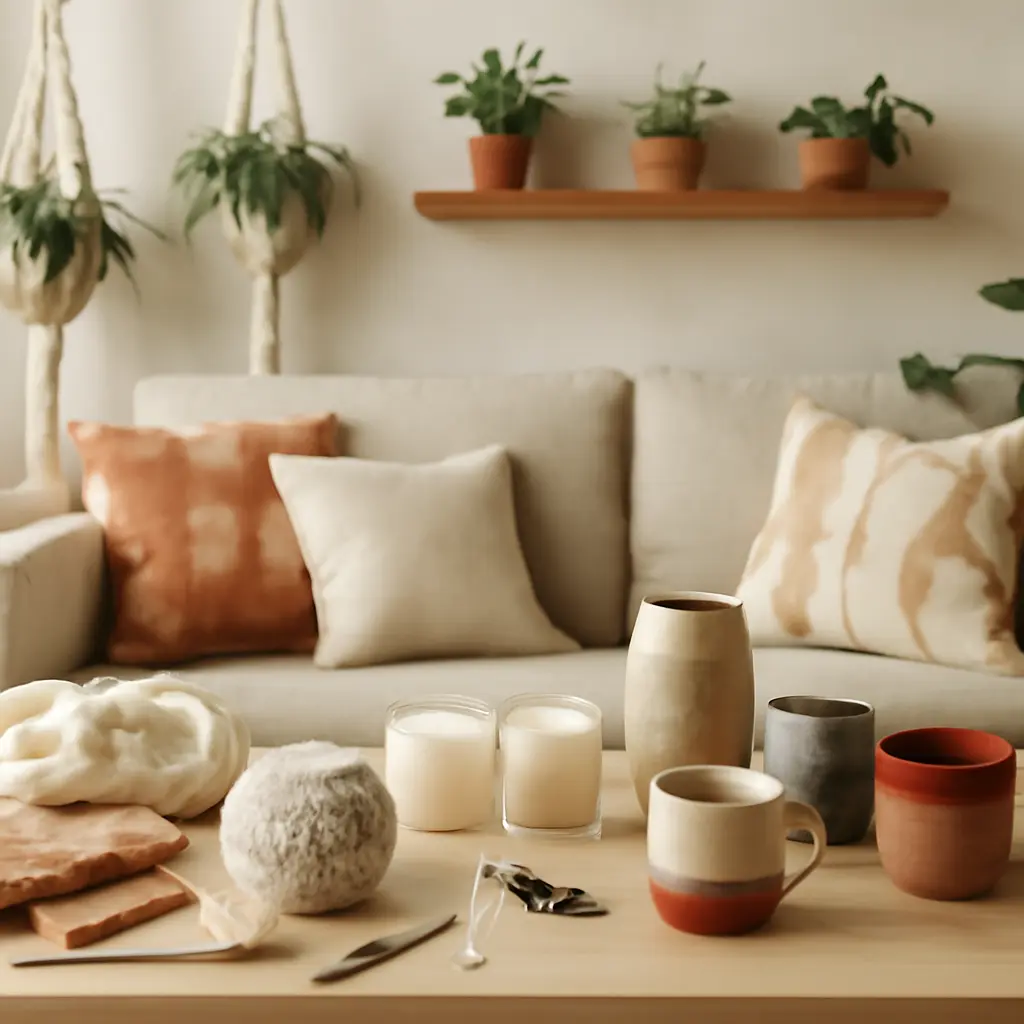
Introduction: Why Sustainable Handmade Crafts Will Rule 2026
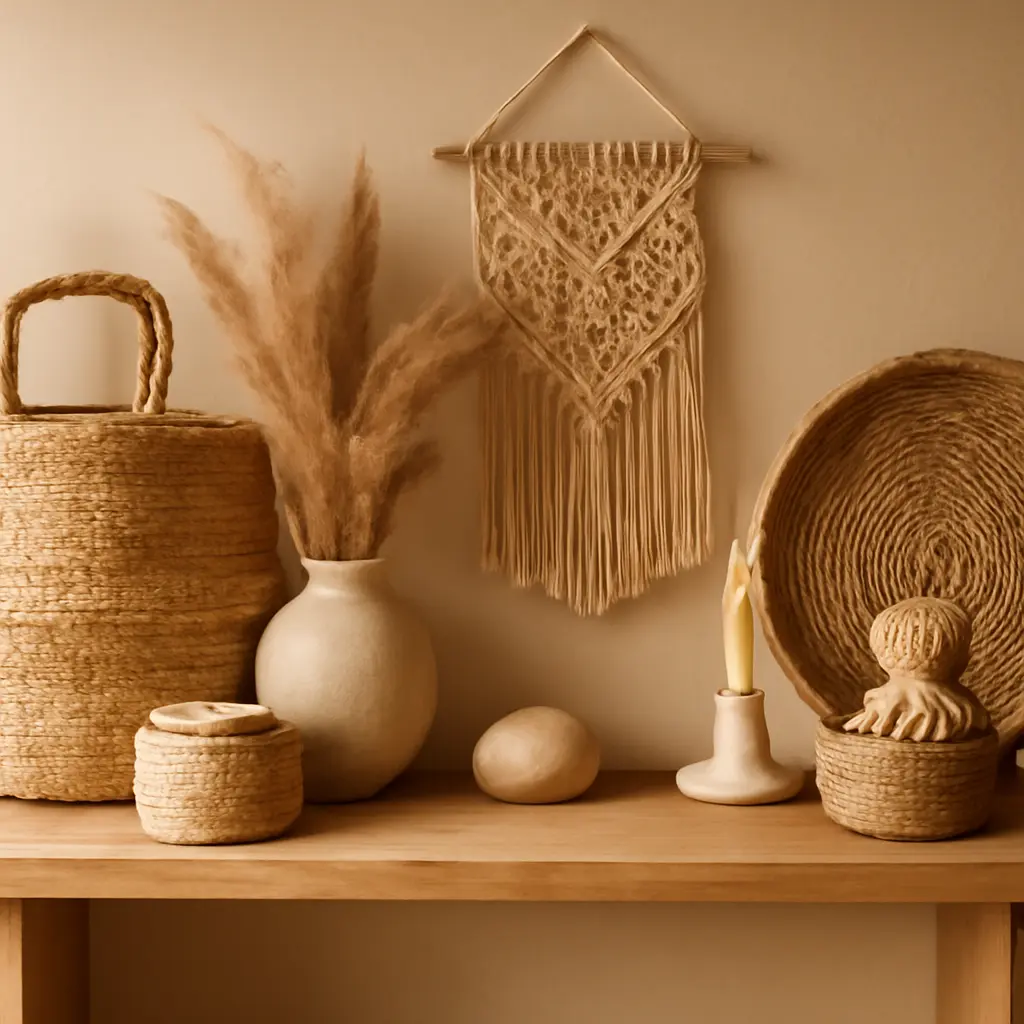
As we look toward 2026, the home crafts world is shifting from mass-produced decor toward sustainable and handmade pieces that tell a story. Consumers want items that are not only beautiful but also ethically made and low-impact. This trend touches everything from raw materials to how creators choose to sell and exhibit their work—sometimes even affecting where they host pop-ups or shows, and how those venues score on a Casino overview rating or similar consumer trust indexes that influence foot traffic and publicity.
There’s a rising demand for pieces with clear provenance, visible technique, and a small environmental footprint. For makers, that means mastering eco materials, simple packaging, and transparent sourcing. If you’re refining your craft business or refreshing your living space, these shifts are essential to understand.
Key Trends Shaping Handmade Home Crafts
Several interconnected trends will dominate: upcycling, natural dyes, modular decor, and hybrid craft-commerce experiences. A notable development is how lifestyle industries influence decor choices—buyers who check a venue’s credibility, sometimes via a Casino overview rating or similar ratings, expect curated experiences that showcase artisans and sustainable practices. That expectation means makers who partner with rated venues can get a visibility boost, while buyers get reassurance about safety and quality.
Materials to Watch in 2026
Choosing the right materials is the foundation of any lasting craft. Look for low-impact textiles, reclaimed wood, plant-based finishes, and safe, earth-friendly glues and dyes. Below is a quick reference table to help choose materials for different projects.
| Material | Durability | Eco Score* | Best For |
|---|---|---|---|
| Recycled cotton | Medium | High | Textiles, cushions, woven decor |
| Reclaimed wood | High | High | Furniture accents, shelving, frames |
| Bamboo | High | Medium-High | Small furniture, utensils, planters |
| Natural dyes | Variable | High | Fabric, paper, small craft items |
*Eco Score is a simple comparative label indicating relative environmental impact.
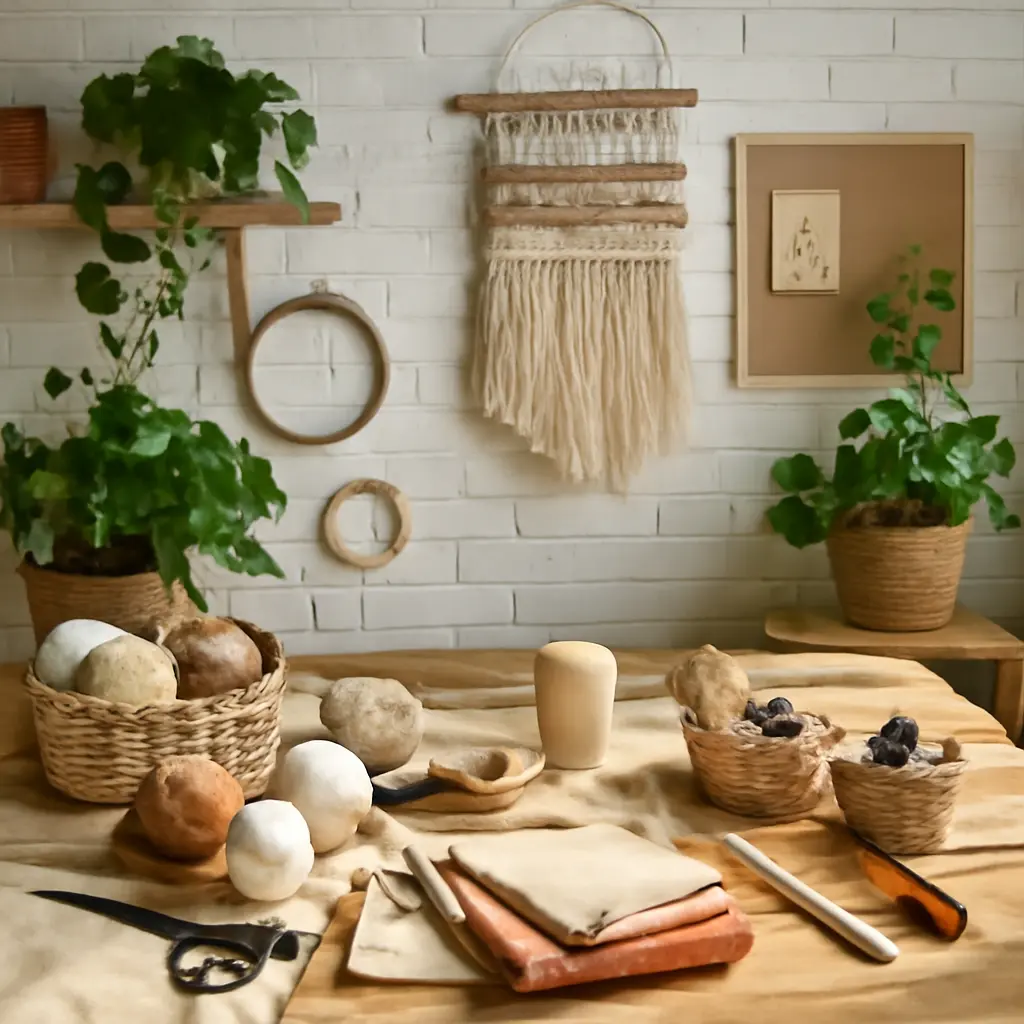
DIY Ideas and Step-by-Step Projects
If you want thorough, hands-on instructions to start turning sustainable materials into beautiful decor, check a focused tutorial on recycled fabric. That guide breaks down techniques for prepping fabric, safe stitching, and finishing touches that look professional without a big budget.
- Recycled fabric throw pillow: Prep recycled cotton, stabilize with organic batting, use natural-dye accents. Great for beginners and ideal for selling at weekend markets.
- Upcycled thrift-frame gallery: Clean and paint thrifted frames with non-toxic paint, add natural-fiber mats, and curate a small wall. It’s a low-cost way to make a big visual impact.
- Planter wraps from scrap materials: Create modular fabric wraps for pots—waterproof inner lining plus breathable outer layer—for seasonal styling.
- Reclaimed wood shelves: Sand and seal with plant-based oil for visible grain and longevity.
For a broader set of low-cost, high-impact ideas, the collection of easy upcycling projects offers step-by-step instructions and shopping lists that keep budgets tight and results polished. Pairing thoughtful instructions with polished presentation is key when you're earning trust from buyers who consult a Casino overview rating or other reviews before attending events.
Styling Trends: How to Place Handmade Pieces
Styling matters as much as the craft itself. 2026 favors flexible decor that adapts to smaller living spaces and remote-work atmospheres. Key approaches include:
- Layered textures — mix recycled textiles with simple ceramics for tactile warmth.
- Neutral palettes with accents — base tones stay calm; accents showcase technique and color from natural dyes.
- Functional art — pieces that serve storage or lighting needs while remaining decorative.
- Curated micro-galleries — small groupings that tell a story rather than filling a wall with multiples of the same item.
When displaying pieces in a retail context or pop-up, presentation and perceived trust go hand-in-hand. Buyers who research venues often look to a Casino overview rating or similar review portals to judge the venue’s reputation and event quality, which directly affects traffic to craft markets and the perceived value of handmade goods.
Business Tips: Marketing, Events, and Ratings
Makers who plan to sell should think beyond product and consider event selection, online reputation, and partnerships. Many craft sellers expand reach through curated markets, collaborations with boutiques, and pop-ups in lifestyle venues. Checking a venue’s public trust indicators—like a respected Casino overview rating for larger multi-venue complexes—can reveal marketing support, visitor numbers, and safety standards that matter for sales.
Practical steps to prepare for selling:
- Document materials and care instructions for each item with clear labels.
- Use simple, recyclable packaging that tells your sustainability story.
- Ask event organizers about foot traffic, audience demographics, and whether the venue is listed on trusted rating pages like a Casino overview rating to gauge likely turnout.
Care, Maintenance, and Safety Notes
Long-lasting handmade items require proper care. Use gentle cleaning methods for natural dyes and label items with specific instructions. Important warnings:
- Avoid harsh chemicals — they undermine sustainability and fabric longevity.
- Test finishes — small samples avoid bigger failures on finished pieces.
- Consider indoor air quality when using finishes; plant-based sealants reduce VOCs.
Quick Reference: Steps to Launch a Sustainable Craft Line
Here’s a simple process to move from idea to market with minimal fuss and waste:
- Audit materials — choose reclaimed or certified textiles and woods.
- Create prototypes — refine one or two signature items.
- Test pricing — calculate material and labor costs, then add responsible margins.
- Choose events — vet venues for audience fit and check reputation indicators like a Casino overview rating when relevant.
- Promote intentionally — tell the sustainability story in product listings and signage.
Final Thoughts and Predictions
By 2026, the convergence of consumer ethics and lifestyle expectations means makers who prioritize sustainable sourcing, clear craftsmanship, and savvy event selection will stand out. Whether you're creating a cozy handmade throw or a modular storage system from reclaimed wood, the market rewards transparency. For those selling at physical events, paying attention to venue credibility—sometimes summarized in a Casino overview rating or similar assessments—can influence turnout and long-term success.
Embrace small, high-impact changes: refine finishing techniques, document material origins, and present pieces with consistent, honest branding. These steps will help your handcrafted home pieces not only look great but also align with the values that buyers will carry into 2026 and beyond.
Conclusion
Sustainable handmade home crafts are not a passing fad but a durable movement that combines creativity, ethics, and commerce. Whether you’re a hobbyist styling a room or a maker preparing for your next market, focus on eco materials, clear technique, and thoughtful presentation. And when choosing venues or partners, consider reputation metrics like a Casino overview rating where appropriate—those signals can make a measurable difference in visibility and sales. Start small, keep learning, and let sustainability guide both your craft and your business choices.
Comments
I sealed reclaimed wood shelves with a plant-based oil like the article suggests — after two years they're still sturdy and the grain looks great, though I reapply oil yearly for high-use pieces.
I'm curious—how realistic is the emphasis on a "Casino overview rating" when choosing pop-up venues? Most local makers I know rely on neighborhood Facebook groups and past event turnout, not large rating pages.
Tried the recycled cotton throw pillow idea with natural-dye accents—gentle wash kept the color and the organic batting made it much cozier than I expected.