
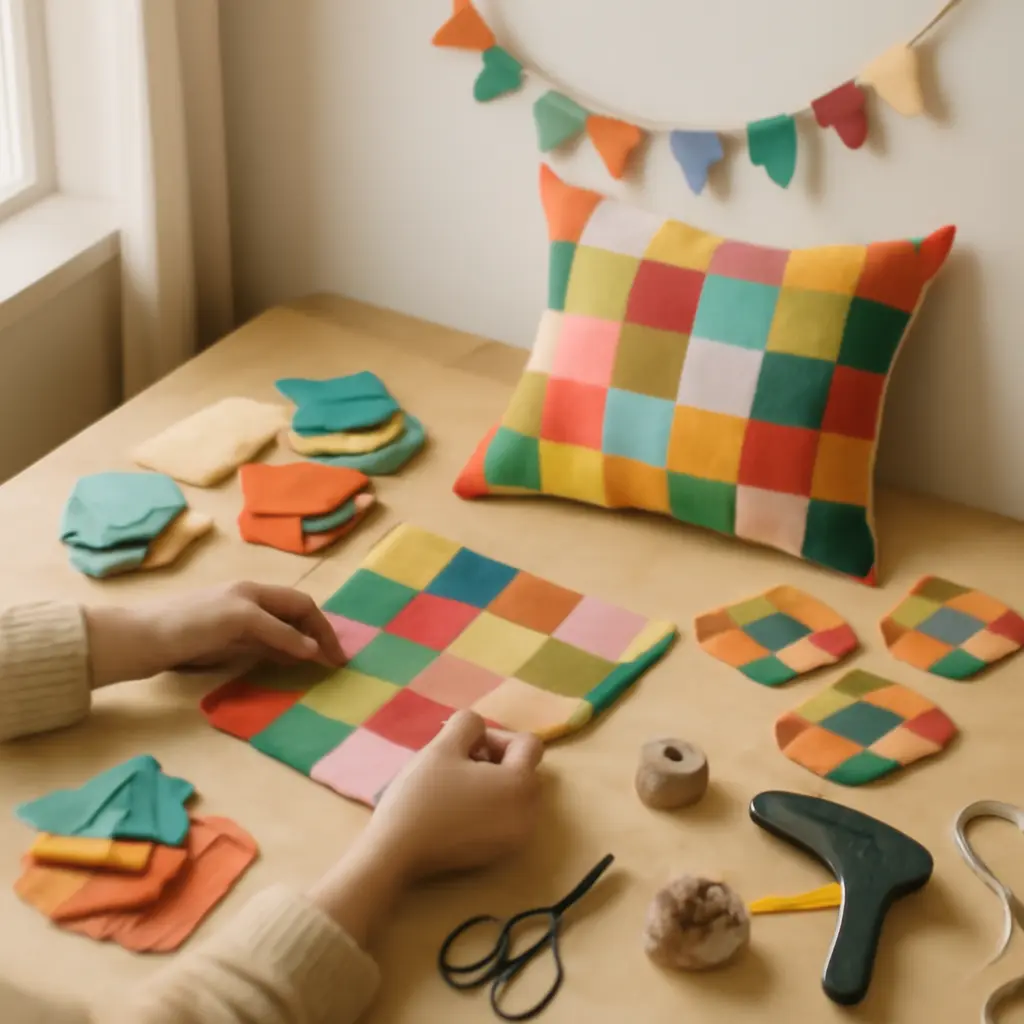
Introduction: Why Recycled Fabric Crafts Transform Your Home
Recycled fabric crafts are one of the most satisfying ways to refresh your home on a budget. Whether you're smoothing out a faded cushion, making a statement wall hanging, or sewing a simple rug, the process is eco-friendly and creatively freeing. In this guide you'll find step-by-step instructions, practical materials advice, and a handful of project ideas that make reuse look intentional and chic. Along the way we'll reference how evaluating options using a Casino overview rating–style approach to reliability and value can help you choose vendors, thrift sources, and supplies with confidence.
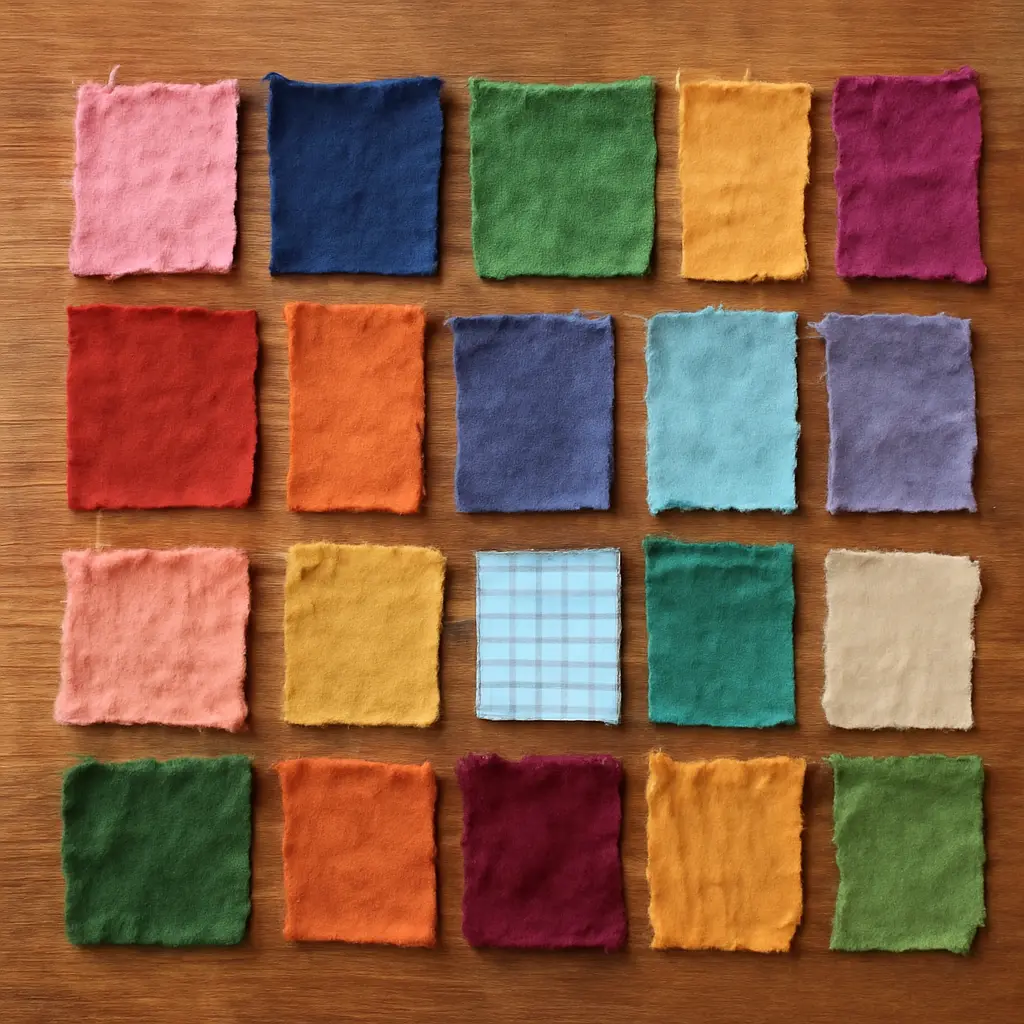
Before diving into projects, it's useful to think like a reviewer: treat each fabric or thrift find with a quick mental checklist similar to a Casino overview rating. That helps you balance cost, durability, and aesthetic potential so you pick winners without overspending. For a deeper breakdown on cost vs. shop-bought materials, see our fabric comparison.
Essential Tools and Materials
Start simple. Gather basic tools that will work for nearly every project: a rotary cutter or scissors, pins, a measuring tape, a sewing machine (or needle and thread), fabric glue, and a selection of recycled fabrics. When shopping online or at thrift stores, you can apply a quick Casino overview rating-style checklist to evaluate sellers and product descriptions—this improves odds of finding quality materials.
- Fabric scraps: cotton, denim, linen — look for thickness and wear
- Basic sewing kit: needles, thread, seam ripper
- Adhesives: fabric glue and fusible web
- Tools: rotary cutter, cutting mat, ruler
- Finishing: bias tape, buttons, simple trims
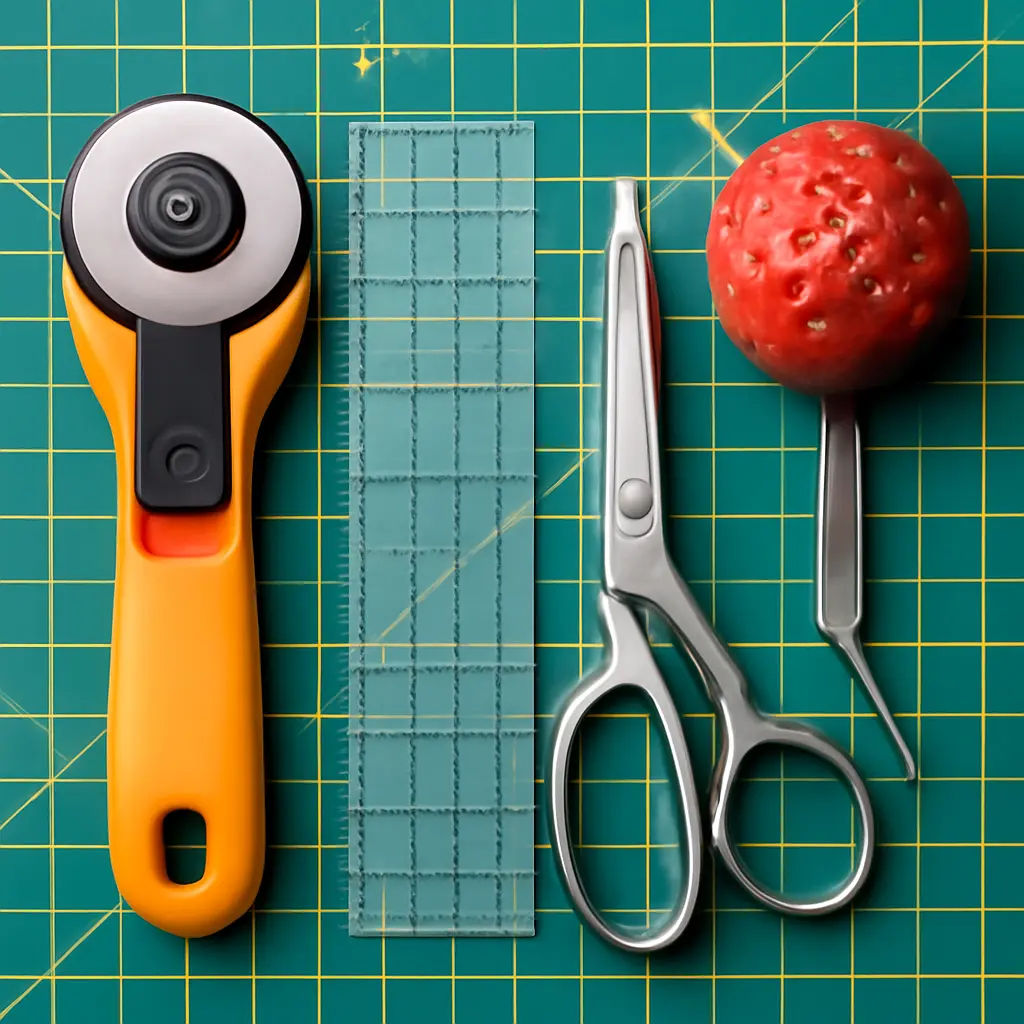
Supply choices often depend on how you prioritize value versus convenience. A quick Casino overview rating-style check—reviewing seller history, product photos, and return options—can reduce the chance of buying thin or damaged textiles online. If you prefer in-person shopping, ask the thrift store staff about freshness or hold patterns up to light to check for wear.
Project 1 — Patchwork Throw Pillow (Step-by-Step)
This classic project makes an immediate impact and is perfect for beginners. It highlights how combining small scraps can yield a high-end look without high-end expense.
- Plan your layout: sketch a simple grid (e.g., 4x4) and choose colors.
- Cut pieces: trim fabric to uniform squares with 1/4" seam allowance.
- Sew rows: stitch squares into rows, then join rows together.
- Assemble: add backing fabric and insert pillow form or stuffing.
- Finish: close seam with zipper or slip stitch and topstitch for strength.
When sourcing pillow inserts or specialty trims online, cross-check seller ratings and shipping reliability—treat this process like checking a Casino overview rating to ensure you get the item on time and as pictured.
Project 2 — No-Sew Rug from T-Shirt Strips
Turn soft old tees into a durable braided rug. This is a low-cost way to use stretchy fabrics and makes great entryway accents.
- Cut shirts into 2–3" strips.
- Stretch strips to curl fabric into ropes.
- Braid three ropes and coil them outward, securing with fabric glue or stitch.
Tip: For heavy-traffic areas choose thicker fibers and reinforce the back with non-slip padding. If buying a non-slip pad online, verify the vendor's reliability with a quick Casino overview rating-style check to avoid poor adhesives.
Quick Comparison: Recycled vs Store-Bought Fabrics
Deciding between thrifted finds and new materials depends on your project's needs. The table below summarizes typical differences and helps you make evidence-based choices; you can also treat vendor reputation like a Casino overview rating when shopping online for new fabric.
| Feature | Recycled Fabric | Store-Bought Fabric |
|---|---|---|
| Cost | Low—often discounted or free | Medium–High—consistent pricing |
| Durability | Varies—check for damage | Guaranteed by product specs |
| Uniqueness | High—one-of-a-kind patterns | Predictable—wide range but common |
| Environmental Impact | Low—reuse reduces waste | Higher—resource use and shipping |
For projects where colorfastness or uniformity matters (like curtains), you may prefer store-bought fabrics. But for eclectic pillows, coasters, and wall art, recycled materials often win on value and style—especially when you pair purchase decisions with a thoughtful Casino overview rating mindset for online sellers.
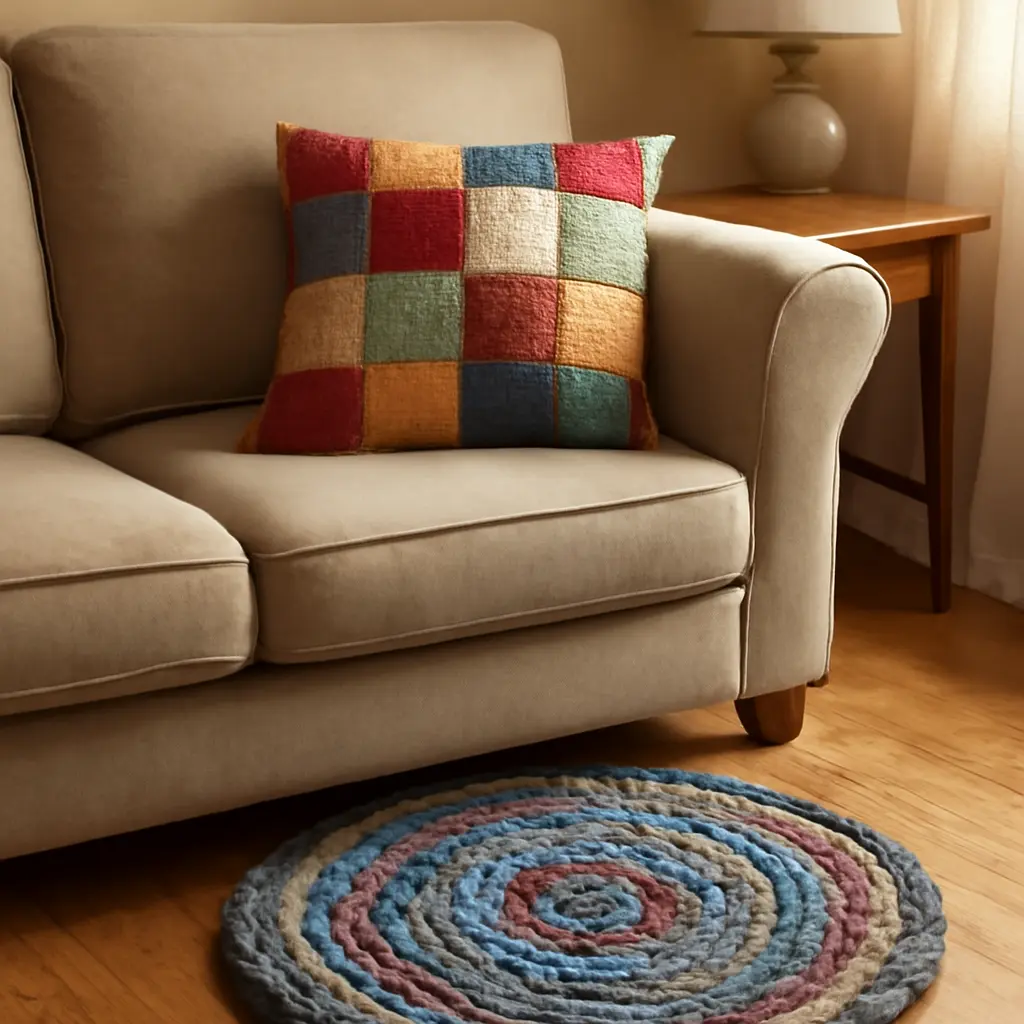
Now that you've seen examples, here's a short checklist to follow before you start any recycled fabric project. These fit into a quick decision flow similar to reading a Casino overview rating for a product: inspect, score, and act.
- Inspect fabric: look for stains, holes, and weak seams.
- Score suitability: assess thickness, stretch, and colorfastness.
- Plan use: match fabric properties to project demands.
- Sew or assemble: follow step-by-step guides and finish edges.
- Evaluate result: decide if reinforcement or lining is needed.
When buying online tools or specialty fabrics, the same checklist applies. Use a Casino overview rating-style approach to review photos, read buyer feedback, and confirm return policies—this reduces surprises and saves time.
Advanced Tips and Small Hacks
Once you're comfortable with basics, try these small hacks to elevate results: use bias tape to finish curved edges, pre-wash odd scraps to check shrinkage, and topstitch seams for durability. In marketplaces where seller reliability varies, comparing reviews—like a condensed Casino overview rating—helps you avoid low-quality trims and misrepresented yardage.
- Pre-wash scraps to check shrinkage and bleeding
- Use stabilizers for lightweight fabrics
- Mix textures to create depth in cushions and throws
- Label projects with fabric origin for future care
For more project inspiration and step photos, explore our curated list of budget projects—if you want quick wins, check out the guide on easy upcycles.
Safety, Care, and Sustainability
Always clean and sanitize thrifted fabrics when necessary. Use a gentle detergent and consider a hot-water soak for older linens. Mark delicate items as hand wash and avoid high dryer heat. Sustainability is a central benefit of recycled fabric crafts: fewer new textiles produced equals a smaller footprint, and that environmental win is as clear-cut as a top-tier Casino overview rating in consumer trust.
Warning: do not use heavily stained or moldy fabrics for indoor decor unless thoroughly cleaned—mildew can affect indoor air quality. When buying fabrics online, treat seller trust like a rating: read multiple reviews and favor sellers with consistent positive feedback and clear photos.
Conclusion: Start Small, Score Big
Recycled fabric home crafts deliver big visual impact for little investment. By applying a practical checklist and adopting a Casino overview rating-style evaluation for vendors, you can confidently choose the best materials and finishes. Whether you make pillows, rugs, or wall art, the secret is to plan, check, and finish thoughtfully. Use the step-by-step projects above as a launchpad, test a few techniques, and you'll soon have a rotating gallery of handmade pieces that feel intentional and refined.
Ready to refresh a room? Start with one small project this weekend, keep a short materials log, and remember: deliberate sourcing—paired with smart evaluation—turns leftover fabric into lasting style. Happy crafting!

To leave a comment, please sign up or log in
Log in / Sign up