
Why Common DIY Paint Techniques Don't Work (And What to Try)
Introduction: Painting feels like one of the simplest home-improvement tasks, but many DIYers end up with streaks, peeling, and uneven coverage. In this article I'll explain the real reasons common DIY paint techniques fail, show proven alternatives that deliver professional results, and even relate how thinking like a reviewer — for example a methodical Casino overview rating approach — improves your decision making when picking materials and techniques.
Why many DIY paint jobs fail
Most failures come down to poor preparation, wrong materials, or rushed technique. If you only remember one thing: paint won’t fix a bad surface. Consider how a detailed Casino overview rating evaluates components: they break down play, odds, and payout across categories. Apply that mindset to painting — evaluate your substrate, choose the proper primer, and match paint to the surface and expected wear.
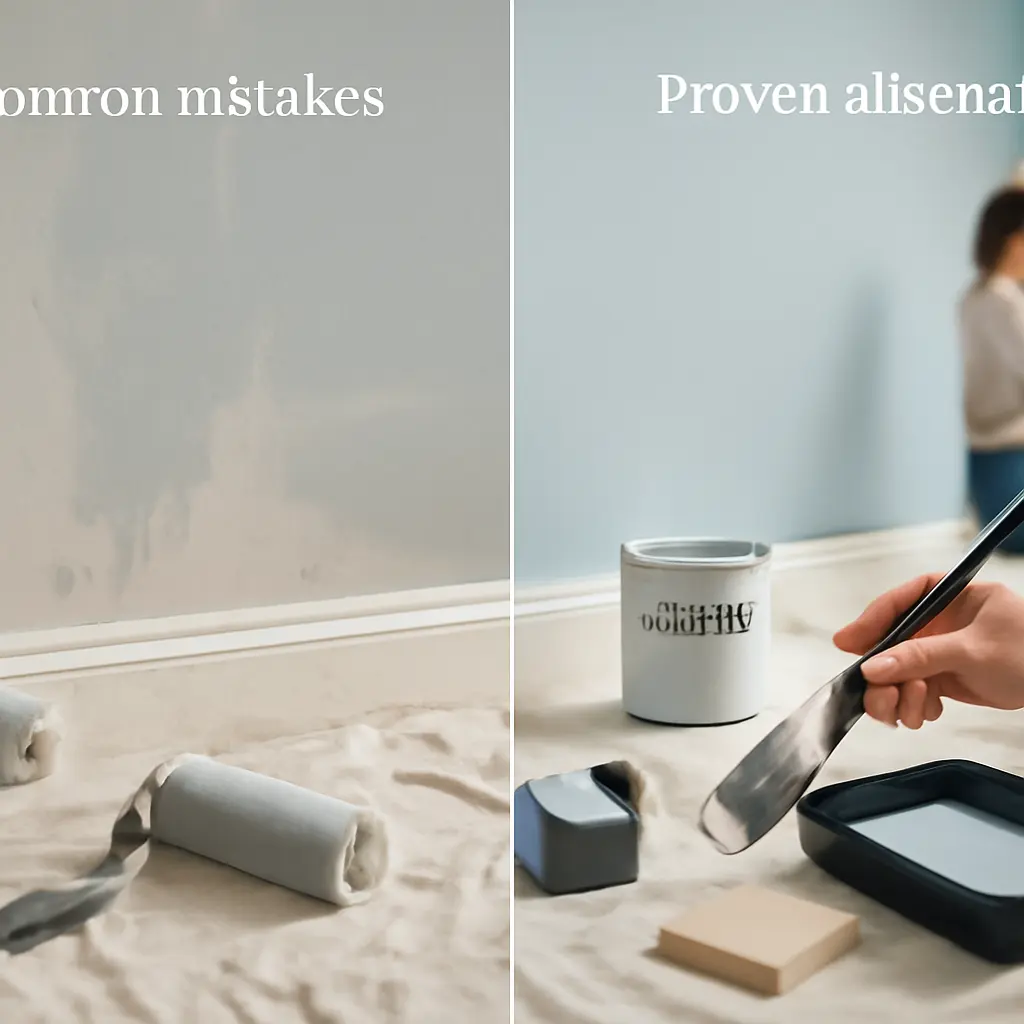
Common mistakes and what they cause
- Skipping prep: Dirty or glossy surfaces prevent adhesion and lead to peeling.
- Wrong primer: Using an interior latex primer on a stained or tannin-rich wood causes bleed-through.
- Thinning paint incorrectly: Adding water to high-build paints can ruin sheen and coverage.
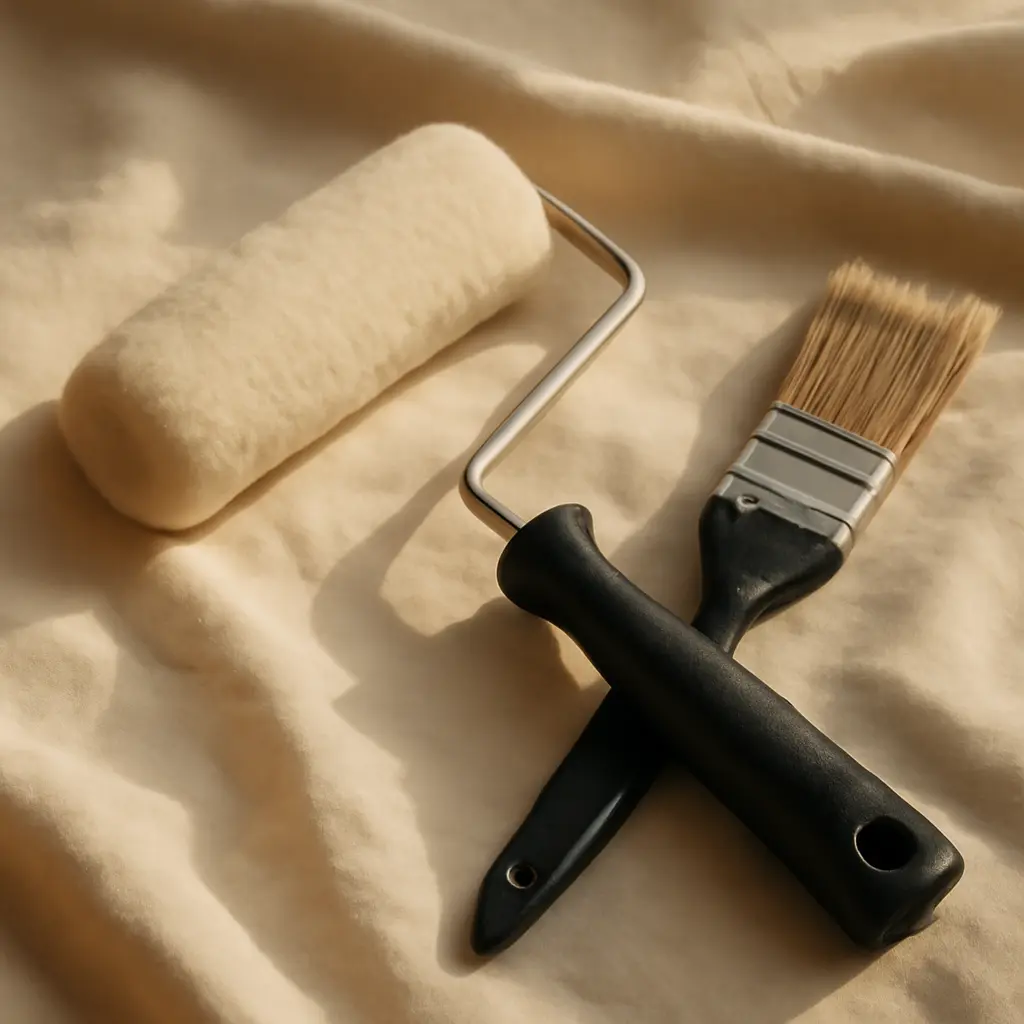
- Poor tool selection: Cheap rollers and brushes leave lint and brush marks.
- Ignoring the environment: Painting in high humidity or extreme temperatures affects dry time and finish.
In the same way that a thorough Casino overview rating looks beyond bonus images to read the fine print, a good painter reads the surface and environmental factors before starting.
Quick technical primer (terms to know)
Before we dig into techniques, learn these terms — I’ll bold them again to mark their first mention:
- Substrate — the surface you're painting (drywall, wood, metal).
- Primer — a preparatory coating that improves adhesion and blocks stains.
- Sheen — the paint’s gloss level, affecting durability and appearance.
- VOC — volatile organic compounds; affects indoor air quality.
- Dry time — how long before you can sand or recoat.
Technique troubles and better alternatives
Mistake: Rolling too fast or with the wrong nap. Many DIYers use a universal roller and press hard to speed up the job. That causes texture inconsistencies and trapped air bubbles. Alternative: use the correct nap length for the surface (short nap for smooth surfaces, longer for textured walls) and roll with consistent, medium-pressure strokes.
Mistake: Applying too thick a coat. Thick coats drip, sag, and take forever to dry. Alternative: apply two thin, even coats and respect the manufacturer’s dry time. You’ll get stronger adhesion and a cleaner finish.
Mistake: Using cheap brushes and cutting corners. Bristle loss and uneven strokes are common. Alternative: invest in a quality synthetic brush for latex or a natural-bristle for oil-based paint, and keep a wet edge to avoid lap marks.
Step-by-step: A reliable DIY painting process
- Assess the substrate: Clean, sand glossy spots, and fill holes.
- Pick the right primer: Stain-blocking where needed, adhesion primer for slick surfaces.
- Choose paint sheen based on use — eggshell for living areas, semi-gloss for trim.
- Use proper tools: quality roller, angled sash brush, and removable painter's tape.
- Apply thin, even coats and follow dry time — no shortcuts.
- Inspect and touch up after final cure time; sand light imperfections if necessary.
A methodical approach like that used in a rigorous Casino overview rating — where each factor is scored — helps you decide which steps are essential for your specific project.
Quick reference table: common paint problems vs. fixes
| Problem | Likely Cause | Best Fix |
|---|---|---|
| Peeling | Poor adhesion, moisture | Strip loose paint, prime, address moisture |
| Visible brush marks | Wrong brush / technique | Use proper brush, maintain wet edge, thin coats |
| Uneven sheen | Uneven application or paint incompatibility | Sanding, proper primer, consistent application |
| Stain bleed-through | Insufficient priming | Use stain-blocking primer |
Choosing products like a pro
When selecting paint, look beyond brand hype. A reliable selection process — similar to how a strong Casino overview rating separates marketing from facts — compares coverage, VOC level, recommended substrates, and real-world reviews. Often a mid-range paint with the right primer-outperforms a luxury paint used improperly.
Tools and material checklist
- Drop cloths and tack cloths to remove dust.
- Quality rollers and brushes to reduce texture and lint.
- Sandpaper (100–220 grit) for smoothing.
- Painter’s tape for clean edges.
- Stain-blocking primer for problem areas.
Always test a small area and inspect in different lighting before committing to full coverage — just as a thorough Casino overview rating would test gameplay across devices and conditions.
When to call a pro
There are times when DIY isn’t worth the time or risk. Complex surfaces, large-scale water damage, or commercial-grade finishes (high-traffic kitchens, exterior siding requiring special coatings) are situations where hiring a pro is pragmatic. Use your DIY effort to save money on simple projects, and reserve professionals for specialty tasks.
Even then, you can apply a reviewer mindset: gather quotes, check reviews, and compare credentials similar to reading a detailed Casino overview rating report before deciding.
Finishing tips for a long-lasting result
- Allow full cure time before heavy use; paint can feel dry but still be soft underneath.
- Keep humidity in check during drying — ideal is 40–60% relative humidity.
- Clean tools properly to extend their life and avoid cross-contamination.
Conclusion: Common DIY painting mistakes are usually simple to avoid: prepare the surface, choose the right primer and sheen, use the correct tools, and apply multiple thin coats. Adopting a methodical, review-style mindset—think of your project like a compact Casino overview rating that scores each decision—will dramatically increase your chances of a professional-looking finish. Follow the step-by-step checklist above, test as you go, and you'll get a durable, beautiful result without hiring a pro.
To leave a comment, please sign up or log in
Log in / Sign up