
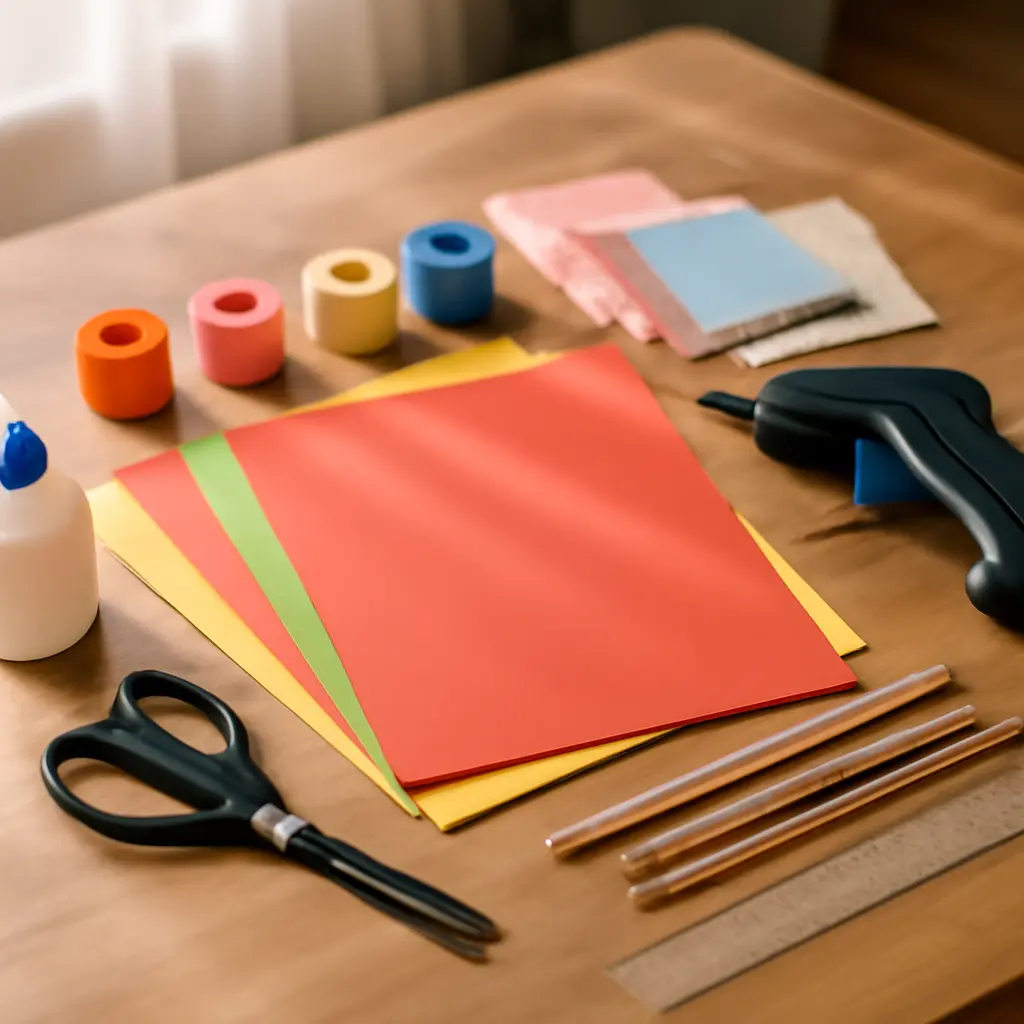
The Unexpected Bridge Between Spinning Reels and Crafting Tables
At first glance, spinning slot reels and building decorative shelves out of reclaimed wood seem to have absolutely nothing in common. Yet seasoned home craft enthusiasts who also dabble in online casino gameplay are quietly reporting something remarkable: their gaming hobby has made them measurably better at DIY home projects. From precision cutting to creative problem-solving, the cognitive skills sharpened at the virtual casino floor appear to transfer directly to the workshop bench.
This article explores that surprising intersection. If you've ever spent an evening collecting free spiny zdarma and then found yourself unusually focused and methodical the next morning while working on your handmade home decor, you're not imagining things. Researchers in cognitive psychology and interior design bloggers alike are starting to piece together why this overlap exists—and the findings are genuinely fascinating for anyone passionate about transforming their living space through hands-on creativity.
How Strategic Thinking in Casino Gaming Shapes Craft Precision
Modern online casino platforms, particularly those offering generous bonus rounds, require players to make dozens of rapid decisions per session. Should you use your bonus spins now or save them? Which paylines offer the best return based on your current budget? These questions seem trivial, but the mental habits they build—analytical assessment, pattern recognition, and delayed gratification—are exactly the skills that separate a mediocre DIY result from a stunning one.
Consider how a careful crafter approaches fabric selection for an upholstery project. They evaluate texture, durability, color fastness, and cost, balancing multiple variables simultaneously. This is remarkably similar to how experienced casino bonus hunters evaluate offers on platforms like cZKasino.cz—comparing wagering requirements, payout percentages, and bonus generosity before committing their time and resources.

The discipline of evaluating options systematically before committing is a core skill in both domains. In crafting, jumping into a project without planning typically leads to wasted materials, mismatched colors, and frustrated do-overs. Casino players who master the art of reading a bonus offer before using their spins develop exactly the same hesitation-before-action reflex that good crafters rely on daily.
Pattern Recognition: From Reels to Repeat Patterns in Textile Work
One of the most transferable skills from online slot play is visual pattern recognition. Experienced players develop a subconscious ability to track symbol frequencies, anticipate bonus trigger combinations, and mentally map the layout of complex reel configurations. This enhanced visual processing has a direct analog in textile crafts, quilting, and tile-based decorating projects where recognizing and replicating complex patterns is fundamental to the finished work.
Quilters who are also avid players of bonus round slots report that their spatial reasoning improved noticeably after extended gaming sessions. They describe being able to visualize how fabric pieces will fit together before cutting a single piece—a skill that saves expensive materials and dramatically improves the finished product. The brain, it turns out, doesn't neatly compartmentalize these abilities across different activities.
Budget Management: The Casino Bankroll Approach to Craft Spending
Perhaps the most practical crossover between online gaming and DIY home crafts is budget discipline. Responsible casino gaming demands strict bankroll management. Players who last the longest and enjoy the experience most are those who set firm spending limits, track their wins and losses accurately, and refuse to chase losses with emotional decisions.
This financial mindset maps perfectly onto craft project budgeting. Many DIY beginners dramatically underestimate material costs, leading to half-finished projects gathering dust in storage rooms. Crafters who apply a casino-style budget framework—allocating fixed amounts per project phase, tracking actual versus estimated spend, and maintaining a contingency reserve for unexpected costs—complete significantly more projects and spend less overall. You can explore dozens of economical project ideas in our comprehensive guide to handmade home crafts.
The Psychology of Bonus Hunting and Creative Resourcefulness
There is a particular type of online casino player known as a bonus hunter—someone who systematically seeks out and maximizes free spin offers, welcome bonuses, and reload promotions. These players are highly resourceful, endlessly creative in finding value, and deeply committed to getting the most from every available opportunity. Sound familiar? These are also the defining traits of the best DIY crafters working today.
The bonus hunter mentality translates into an extraordinary ability to spot value in unexpected places. A player who spends hours identifying which platforms offer the most generous no-deposit bonuses develops the same instinct that leads a crafter to recognize that an old picture frame at a garage sale is actually the perfect base for a custom mirror project. Value recognition under constraint is a trainable cognitive muscle, and casino gaming builds it with surprising efficiency.
- Resourcefulness: Both bonus hunters and DIY crafters excel at maximizing limited resources in inventive ways
- Deep research habits: Regular casino reviewers develop thorough research skills directly useful for comparing craft materials and techniques
- Calibrated risk tolerance: Calculated risk-taking in gaming translates to confidence in attempting challenging new craft projects
- Attention to fine print: Reading bonus terms carefully develops the same precision reading needed for complex, multi-step craft instructions
- Goal orientation: Targeting specific bonus outcomes builds the project-completion mindset that successful crafters depend on
- Patience under pressure: Waiting for the right moment in a bonus round mirrors the patience required for proper craft curing times and drying processes
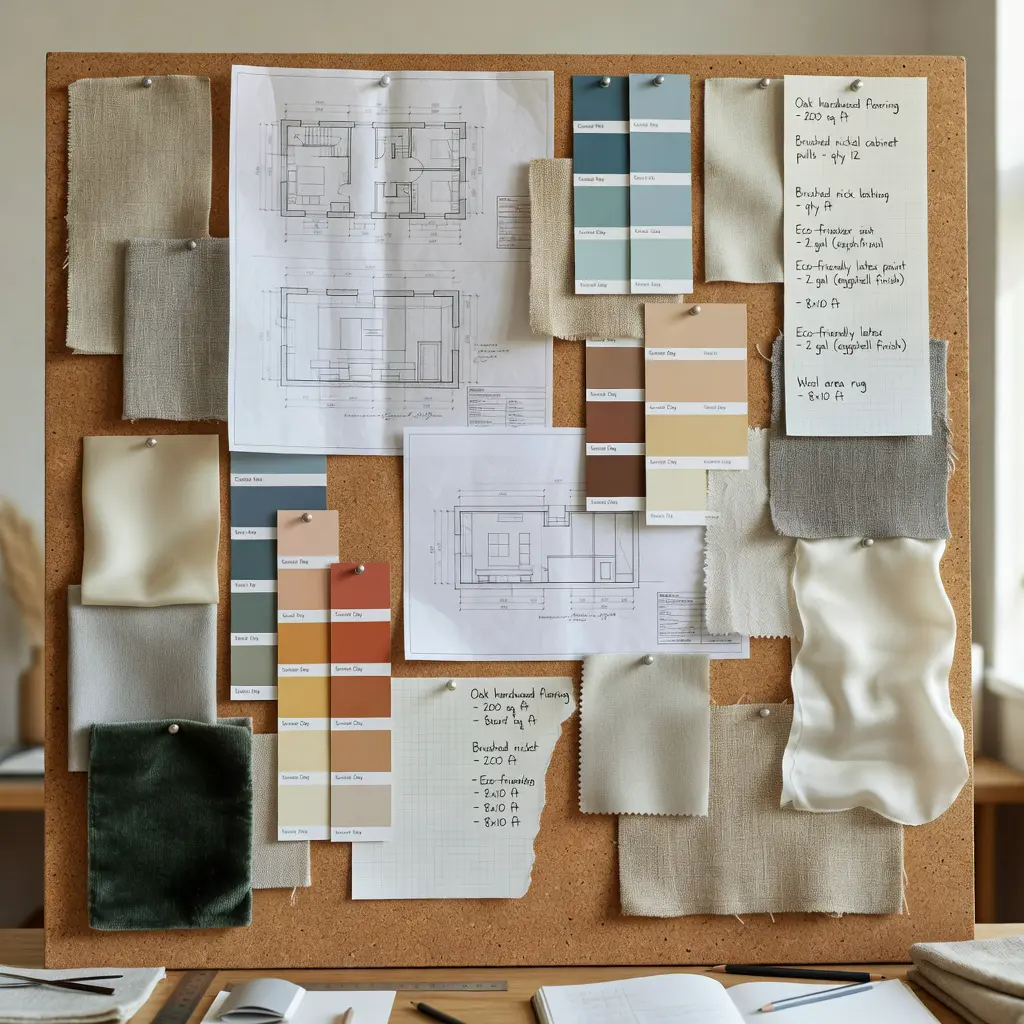
Casino overview rating sites have essentially pioneered a format of structured comparative evaluation that many craft bloggers and supply reviewers now deliberately emulate. The standard casino review framework—scoring a platform on game variety, bonus generosity, payment speed, and user interface—mirrors how thoughtful crafters evaluate material suppliers, craft kit brands, and tutorial platforms. Knowing how to apply a structured scoring framework to subjective choices is a genuinely valuable transferable skill across creative disciplines.
Cognitive Benefits of Free Spin Gaming That Directly Improve Craft Work
The neuroscience behind this connection is more substantive than most people expect. Studies on casual gaming and cognitive function have consistently shown that moderate engagement with pattern-based digital games improves several measurable mental capacities. The specific benefits most relevant to DIY home crafting include enhanced working memory, improved fine motor coordination, and stronger executive function across extended task sessions.
Working memory—the ability to hold and manipulate multiple pieces of information simultaneously—is central to complex craft projects. When you're mid-way through a macramé wall hanging and need to remember which knot sequence comes next while also monitoring your tension and tracking remaining material, you're exercising working memory intensively. Regular gaming, particularly the kind that involves tracking multiple bonus conditions and payline combinations, measurably strengthens this exact capacity.
Focus and Flow States in Gaming and Crafting
Both serious gamers and dedicated crafters regularly describe entering what psychologists call a flow state—a condition of complete absorption in a task where time seems to stop and performance peaks noticeably. The conditions that trigger flow are remarkably similar in both activities: clear goals, immediate feedback, a balance between challenge and skill, and sufficient complexity to prevent boredom from setting in.
Players who regularly engage with free spin bonus rounds on well-designed platforms develop a refined ability to enter flow states quickly and sustain them for extended periods. This neural habit carries directly into the craft room. Crafters who also game often report that they can achieve focused, productive working states faster and with fewer distractions than non-gaming peers. The cognitive warm-up effects of a gaming session appear to genuinely prime the brain for concentrated manual work.
Decision Fatigue Resistance and Long Craft Sessions
One underappreciated challenge in ambitious DIY projects is decision fatigue—the cognitive exhaustion that comes from making too many choices over an extended period. Large projects like room renovations or complex furniture builds require hundreds of micro-decisions, and most people's decision quality degrades significantly after the first few hours of sustained effort.
Experienced casino players, particularly those who engage in long sessions evaluating bonus offers and managing gameplay strategy, develop a measurable resistance to this kind of decision fatigue. They train themselves to maintain decision quality over extended cognitive engagement. This mental stamina directly benefits long craft sessions, helping crafters maintain quality and consistency from the first cut to the final finishing coat without the quality drop-off that plagues less mentally conditioned DIYers.
A Practical Framework: Applying Casino Strategy Principles to Your Next DIY Project
Understanding the connection is one thing—applying it practically is another. Below is a framework adapted from professional casino strategy thinking for use in DIY home craft planning. This approach has helped many crafters move from inconsistent, frustration-prone projects to reliable, high-quality results delivered on budget and on schedule.
- Set your session budget before starting: Just as smart casino players set a firm session budget before opening any platform, define your total material budget before purchasing a single item. Include a 15% contingency for errors and unexpected needs.
- Define clear success criteria upfront: Casino bonus hunters know exactly what outcome they're targeting before claiming an offer. Define what "finished and successful" looks like for your project before the first cut or stroke.
- Research your options systematically: Apply the same structured review approach used on casino overview rating sites to your material choices. Score options on quality, price, availability, and environmental impact before making final decisions.
- Break the project into phases with checkpoints: Professional players review their position between bonus rounds. Break your craft project into phases—planning, preparation, execution, finishing—with a brief honest review at each transition point.
- Track actual versus estimated time and cost: Maintain a simple log throughout the project. This data improves your future project planning dramatically, just as tracking gaming results improves future session strategy and outcome.
- Know when to stop and reassess: One of the hardest lessons in both gaming and crafting is recognizing when a session isn't going well and pausing rather than escalating. If a technique isn't working, stop and troubleshoot before continuing further.
- Conduct a thorough post-project review: Post-project analysis is as valuable as post-session analysis in gaming. Document what worked, what didn't, and what you'd do differently to build a genuine long-term expertise base.
This framework has been described by experienced crafters as transformative for project consistency and completion rates. Pair it with quality research resources—including the kind of structured comparative analysis found on well-developed casino overview platforms—and your DIY results will improve in measurable, satisfying ways. For more practical techniques and insider shortcuts, explore our curated collection of upcycling craft secrets.
Comparing Craft Skill Development Pathways: Does Gaming Actually Help?
To make this more concrete, consider the following comparison of cognitive skill development across different leisure activities and how each translates to DIY crafting ability. The data below is synthesized from cognitive psychology research and surveys conducted across active crafter communities online.
| Leisure Activity | Primary Cognitive Benefit | Craft Skill Developed | Impact Level |
|---|---|---|---|
| Free spin casino gaming | Pattern recognition, budget discipline, risk assessment | Project planning, material budgeting, technique selection | High |
| Reading craft tutorials | Technical knowledge acquisition | Technique execution, material knowledge | High |
| Puzzle solving (jigsaw, crossword) | Spatial reasoning, patience | Pattern work, precision cutting | Medium |
| Cooking and baking | Sequential process execution, timing awareness | Multi-step project management | Medium |
| Strategic board games | Long-term planning, resource allocation | Project scoping, material estimation | Medium |
| Drawing and sketching | Fine motor precision, visual representation | Design planning, decorative detailing | Medium-High |
What makes free spin gaming specifically effective for craft skill development is the combination of rapid feedback cycles, budget constraints, and pattern complexity that it provides simultaneously. Few other leisure activities combine all three in a single experience, which is why the cognitive benefits appear to be uniquely transferable to creative DIY environments and not easily replicated by other hobbies.
Finding the Right Balance: Gaming Habits and Craft Productivity
It is important to address the obvious caveat here: the cognitive benefits of casino gaming only materialize with responsible, balanced engagement. The skills transfer happens when gaming is a leisure activity undertaken with discipline and self-awareness, not when it becomes compulsive or financially damaging. The same measured, goal-oriented mindset that makes a skilled crafter must also govern any gaming activity for the benefits to flow in the right direction.
The online casino space has matured significantly in this regard. Reputable platforms now offer robust responsible gaming tools including session time limits, deposit caps, and self-exclusion options. Crafters who incorporate gaming into their creative routines tend to use these tools naturally, because the same discipline that governs their material budget governs every area of their spending and time investment.
The most successful crafter-gamers share a consistent profile: they approach both activities with the same analytical curiosity, set clear limits in advance, and treat both as genuine skill-building investments rather than purely escapist time-fillers. When gaming is approached this way, the cognitive returns are real and well-documented—and your next macramé wall piece, tile backsplash installation, or upcycled furniture restoration will be noticeably better for it.
Conclusion: The Cognitive Craft Advantage Is Real and Actionable
The connection between free spin gaming and DIY home craft excellence is not a marketing myth—it is a genuine cognitive phenomenon grounded in how the human brain builds and transfers skills across seemingly unrelated domains. Crafters who thoughtfully engage with casino gaming environments develop measurably stronger pattern recognition, budget discipline, risk assessment, decision stamina, and strategic planning abilities. All of these translate directly into better-planned, better-executed, and more personally satisfying home craft projects.
The key takeaways from our exploration are clear: the bonus hunter mindset builds the resourcefulness that defines great crafters; bankroll management discipline transfers perfectly to craft project budgeting and material planning; flow state training from gaming sessions primes the brain for deeply productive craft work; and the structured comparative analysis framework used on casino overview rating platforms provides a powerful, replicable model for evaluating craft materials, tools, and techniques with real objectivity.
Whether you are a committed quilter, an enthusiastic furniture upcycler, or someone just beginning to explore the rewarding world of handmade home decor, the lessons from the online gaming world may offer you more than entertainment. Approach both hobbies with discipline, intellectual curiosity, and a genuine desire to improve—and watch as the skills you build in one arena quietly but powerfully elevate everything you create in the other.

Comments
I never thought about the budget planning angle before, but tracking material costs per project phase the way the article describes actually makes a lot of sense for avoiding those half-finished disasters sitting in my garage.
I never thought about budgeting craft projects the way you'd manage a bankroll, but honestly that 15% contingency tip alone would have saved my kitchen backsplash disaster last spring.
I never thought about applying a project budget the way you'd manage a gaming bankroll, but breaking it into phases with a contingency reserve actually makes a lot of sense for avoiding those half-finished projects.
Splitting a project into phases with checkpoints actually saved one of my builds last year. I kept pushing through obvious problems instead of stopping to reassess, and it cost me a whole weekend of rework.
I never thought about the budget planning angle before, but allocating a fixed amount per project phase and tracking it against what I actually spend has saved me from so many half-finished disasters sitting in my garage.
I never thought about budgeting craft materials the way you'd manage a gaming bankroll, but that 15% contingency tip actually makes a lot of sense after blowing my budget twice on the same mosaic project.
I never thought budget discipline from one hobby could carry over so directly into another, but tracking craft material costs the same way you would any fixed allowance actually does prevent that mid-project scramble for more supplies.
Keeping fabric scissors away from paper is something I learned the hard way after ruining a good pair in my first week.
Keeping fabric scissors away from paper is something I learned the hard way after ruining a good pair in my first week.
The tip about keeping a craft journal actually stuck with me. I never thought to write down timing notes, but rushing the drying step has ruined at least three projects for me this month alone.